
BeefEx Wrap
Building a Ridgeback®: The benefits outweigh the cost. The results of the Rangers Valley trial, where partially covered housing in the final 100 days boosted cattle performance – as presented by Dr Melissa George at BeefEx’s R&D session.

Building a Ridgeback®: The benefits outweigh the cost. The results of the Rangers Valley trial, where partially covered housing in the final 100 days boosted cattle performance – as presented by Dr Melissa George at BeefEx’s R&D session.

ONE global food integrity expert has praised Australia’s feedlot quality assurance program, crediting it for market access benefits and assisting the entire global beef industry’s social licence.

Visit the Entegra guest lounge at BeefEx, Brisbane. The Entegra team will be at booth 60 and 61 and available to talk through your ideas, explore concepts and share information.
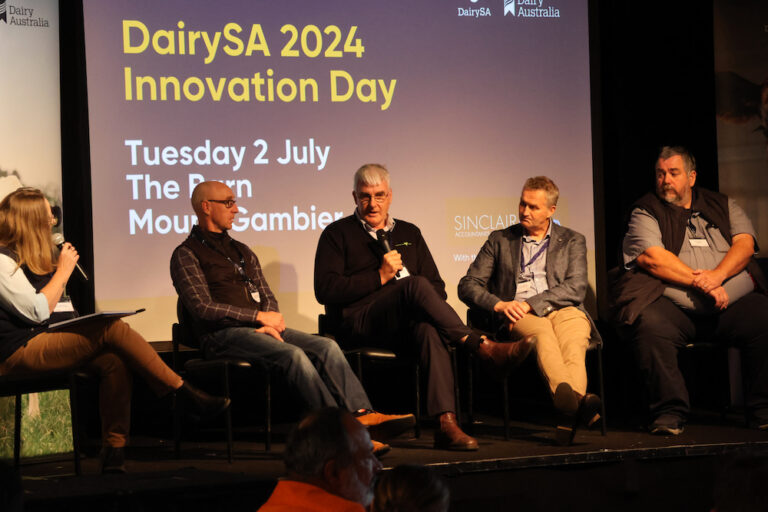
PLAN a dairy effluent system with growth in mind. But growth doesn’t necessarily mean extra infrastructure – productivity improvements can also lead to extra manure.
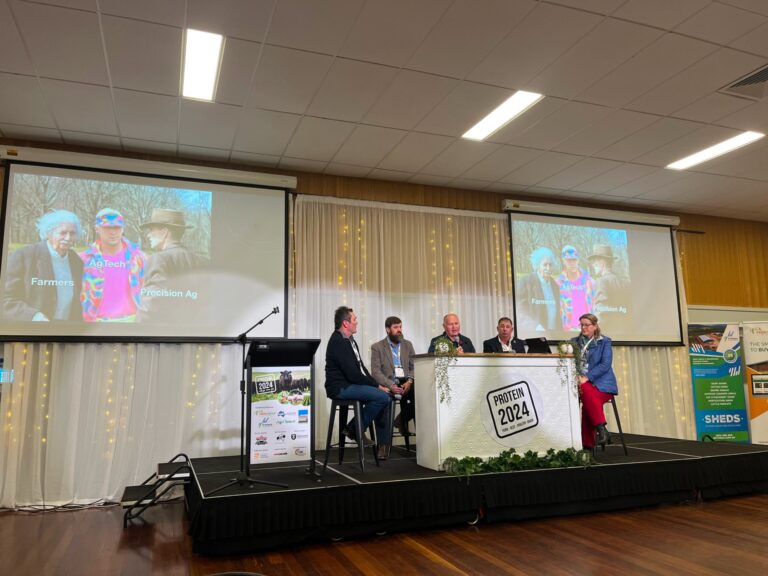
Decision makers must not only consider which climate change mitigation investment opportunity will bring the most financial and environmental value – but more importantly – they must also consider the impact that their decisions have on our ability to produce food and ultimately satisfy our inherent human rights obligations.
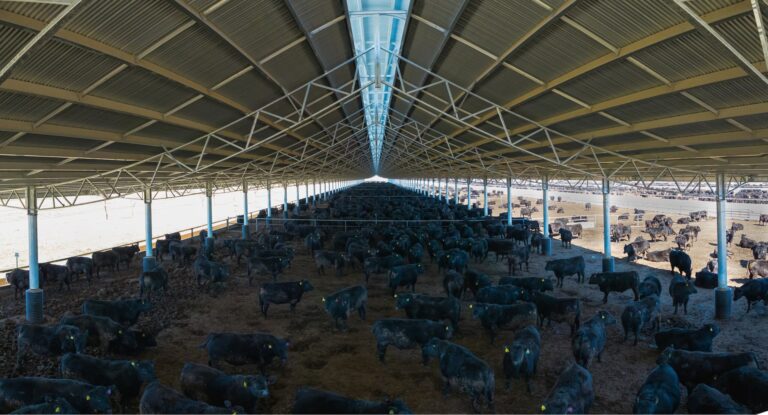
5178 black Angus steers were enrolled in the trial, split across 24 pens. The results highlight the importance of bedding to muscoleskeletal health.
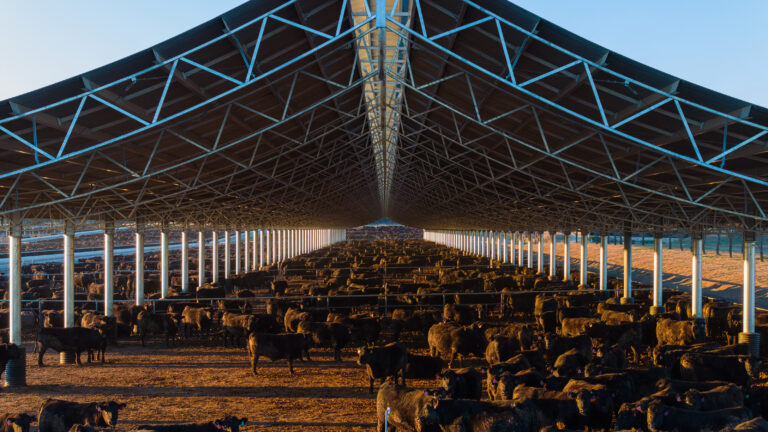
Research results from the latest shade and shelter trials will headline a free industry webinar, focusing on the benefits of covered housing for livestock. Hosted by the Australian Lot Feeders’ Association and Meat and Livestock Australia, the webinar – on June 12 – will draw on animal performance and welfare data from stock housed beneath a Ridgeback®, which partially covers some of the yards at Rangers Valley feedlot in NSW.
One major Australian meat processor no longer relies on electricity from the grid and coal, while reusing 100 per cent of its water at its Queensland plant.
Agricultural programs in schools and beef promotional material sent to doctors offices are just some of the ways the US beef industry is informing consumers about the value of their product.
