Look to the Future of Manure Management 

Key Points

2024 DairySA Innovation Day

  • Dairy farmers to consider effluent expansion
  • How adding a pad can double the nutrient capture
  • Nutrients in the second pond (storage) up to $1500 a megalitre


On Monday July 8, 2024, By Entegra Signature Structures

PLAN a dairy effluent system with growth in mind.

But growth doesn’t necessarily mean extra infrastructure – productivity improvements can also lead to extra manure.

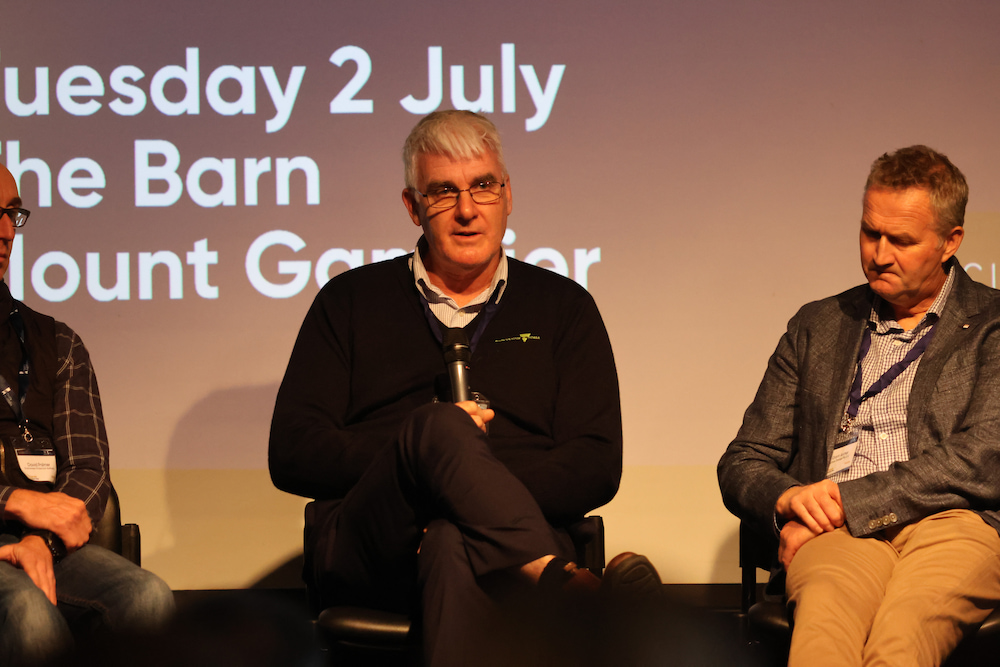
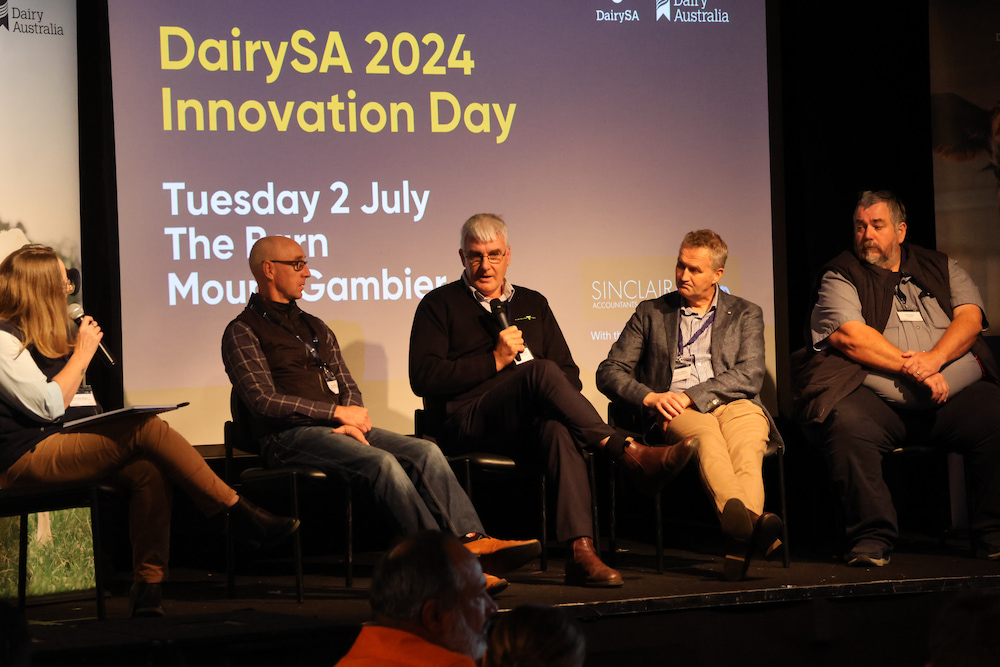
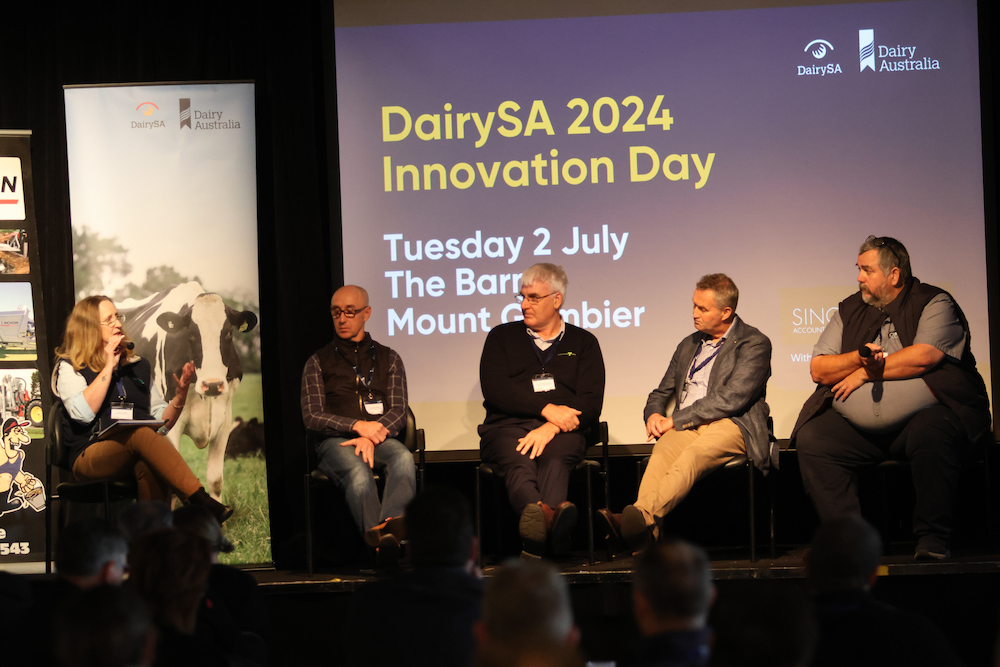
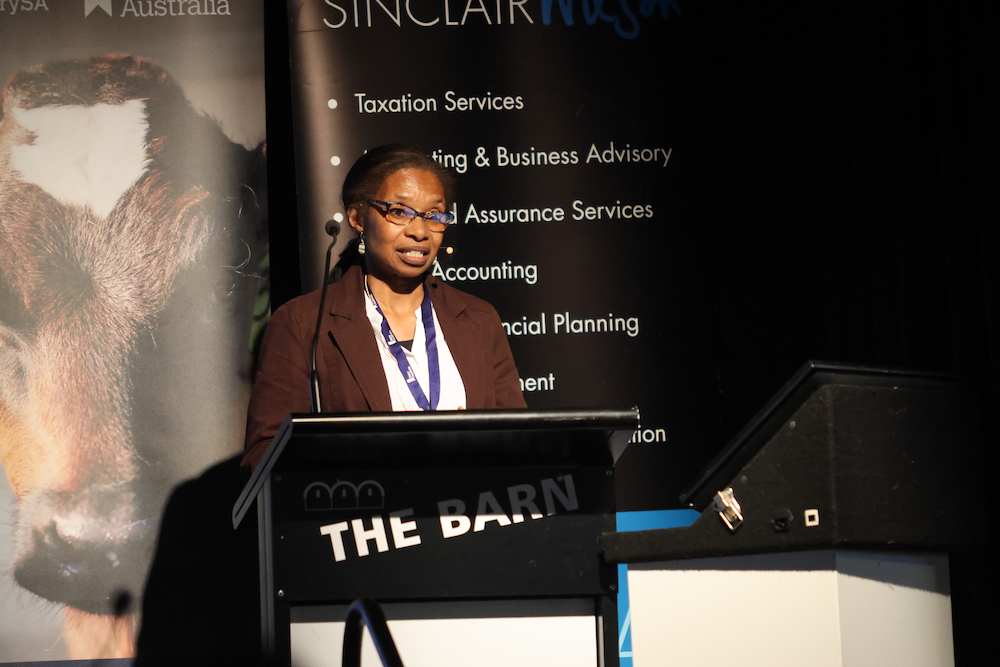
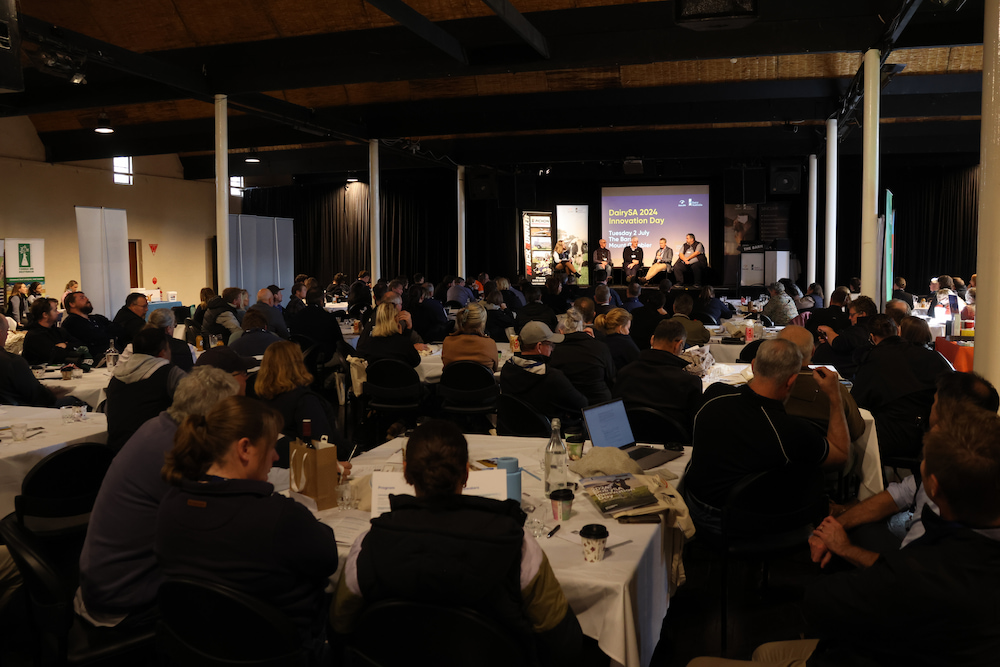
These were some of the messages from a panel of effluent management experts at the 2024 DairySA Innovation Day, near Mount Gambier.

Agriculture Victoria Dairy Services Program Manager Scott McDonald told the crowd that there were so many business changes or practices that “trigger” dairy farmers to consider effluent expansion.

“If the herd increases, you’ve built a bigger yard – because there’s more rain coming into the dairy – you change the flood wash, this all influences the effluent system,” he said.

“It is not just big changes around infrastructure, it’s also if there’s increased production. More milk means more manure.”

Dairy consultant and AgStrat Managing Director Peter Best explained that adding a feed pad to a dairy business would “double the nutrient capture” on-farm.

He encouraged farmers not to be “reactive” when it comes to effluent design and construction.

“Play the long game, every farm grows,” he said.

“In 5 to 10 years’ time, your business could be 50 per cent bigger than what you are today. Plan to have that volume and capacity in the system today and modulate into it.”

All panellists stressed the importance of seeking expert advice when planning, designing and constructing effluent systems.

Mr McDonald said applications to build an effluent system shouldn’t be a “jelly mould”, rather farmers should lead the discussion about system type, design and how the effluent will be spread.

“Every farm is different, different soil types, different climate, different water management, the expectation is that the plan is representative of the farm,” he said.

“The best part of an effluent system is the end bit…you make money where it is applied (that’s why) you want to put effluent back out onto the paddock as quickly as possible.”

Mr McDonald said the value of nutrients derived from effluent varied, with some work suggesting nutrients in the first pond (solids capture) could be worth $700-$800 a megalitre as a replacement for fertiliser, with nutrients in the second pond (storage) up to $1500 a megalitre.

He said the industry has “moved past” the discussion about the value of nutrients in effluent.

Instead, the focus has shifted to “bedding recovery” from manure for housed-cow systems and anaerobic digesters – to manage waste and create a source of renewable energy.

“I know of a farmer who spent $25 million on anaerobic digestion system and paid it back in five years,” Mr McDonald said.

“There’s money in effluent, we know that.”

Panel moderator Scolexia – Animal and Avian Health Principal Consultant Environment and Regulation Janine Price explained to the crowd that manure was no longer a “burden” or “waste asset”.

Rather she said it was the “Macgyver of resources – it can pretty much do anything”.

For example, offset synthetic fertiliser use, create energy, operate as a moisture source and now – thanks to new technology – even become plastic for single-use products.

See Other Blog Posts

BeefEx Wrap

Building a Ridgeback®: The benefits outweigh the cost. The results of the Rangers Valley trial, where partially covered housing in the final 100 days boosted cattle performance – as presented by Dr Melissa George at BeefEx’s R&D session.

Read More ->

Beef Ex Bites

ONE global food integrity expert has praised Australia’s feedlot quality assurance program, crediting it for market access benefits and assisting the entire global beef industry’s social licence.

Read More ->

Contact Us Now