
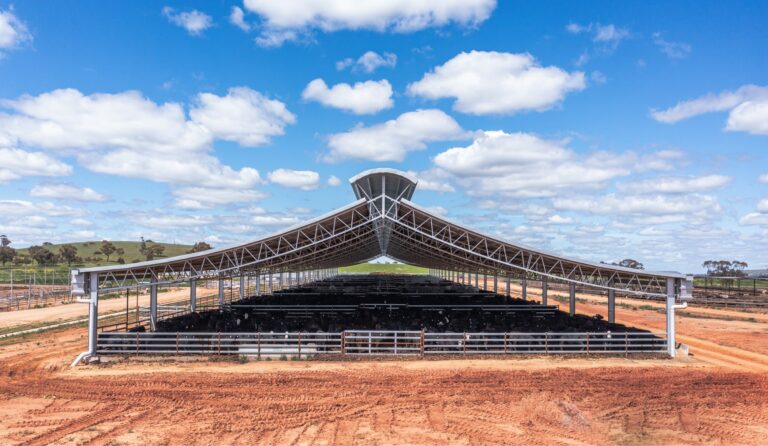
Covered Feeding Trial at Teys Charlton Set to Answer Some Big Questions
When cattle arrive at the Teys Australia Victorian feedlot, they are now divided for scientific purposes.


Rangers Valley Feedlot Manager Alex Smith was joined by University of Queensland Animal Production Lecturer Dr Angela Lees, AgDSA Director Matt Norton and Entegra, developers of the industry leading self-ventilating Ridgeback®.
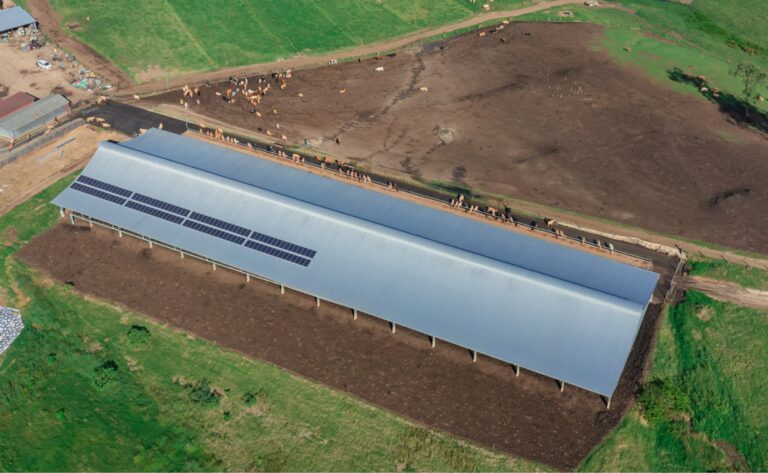
Ridgeback® offers a revolutionary design that significantly enhances airflow within its shelters. Tested by aerospace engineers, this innovative structure maximises air exchange, ensuring better ventilation and comfort for cattle.
Ridgeback® prioritises animal welfare, providing shade and shelter solutions that promote the well-being of cattle. With a focus on comfort, these structures shield livestock from harsh weather conditions, reducing heat stress and promoting overall health.
Scientific studies and industry research attest to the positive impact of Ridgeback® on animal welfare, ensuring content, comfortable, and thriving cattle within the feedlot environment.
Design & Engineering optimised from site visits and consultation.


Entegra preferences Australian materials & components
Entegra partners with industry groups to develop product solutions


Entegra prides itself on its ability to seamlessly connect clients with the very best in the industry
Its concave curved roof is unique.
But most importantly, it protects your herd.
Ridgeback’s® are self-ventilating structures.
Its patented technology increases natural ventilation, without the need for expensive fans, and delivers 20 per cent more air changes per hour than gable sheds. This means increased cattle comfort.
Lot feeders and farmers report a reduction in temperature of up to 10 degrees Celsius- at the peak of the summer heat – underneath their Ridgeback®.
This cooler temperature and airflow is even possible when it’s still outside.


Ridgeback® technology delivers benefits in cold and wet climates too. Cattle beneath a Ridgeback® are protected from the elements which means pens are kept cleaner and drier and this limits the dag-load of the hairy British breeds. It’s also a much more pleasant environment for humans to work in, shaded from the sun and protected from the rain and icy chill. Retrofitting a Ridgeback® to an existing feedlot, over the top of traditional outdoor pens, can enable a feedlot to expand without having to acquire additional land or build entirely new infrastructure.
That’s because the cleanliness and comfort delivered by a Ridgeback® could make it possible to operate at a higher stocking density underneath the shelter. Waterproof shelters on feedlot pens also enable water collection and prevent effluent run-off. Apart from the obvious water savings, a waterproof shelter could also be the key to expanding lotfeeding into regions of Australia that were previously viewed unsuitable due to surface or groundwater runoff concerns.
With all these benefits, it’s no wonder more lot feeders are looking to the Ridgeback® to provide shade and shelter for their cattle.
More and more Australian feedlots are beefing-up their cattle’s protection with a Ridgeback®.
.
.
.
.
Cattle under the waterproof structure were 12 kilograms heavier at exit, while those beneath the shade cloth weighed 2kg more.
Average daily gains were 300 per cent more under the waterproof structure at 0.16kg a day, compared with the shade cloth at 0.04kg/day.
The Hot Standard Carcass Weight (HSC) of animals protected by the waterproof shelter averaged 7.2kg heavier. Those protected by shade gained an average 0.51kg more.
A separate study at the University of Queensland Gatton Campus showed a HSCW gain of 6.6kg for cattle under shelter.
Dr Lees explained that even at a “conservative” $6 a kilogram carcass weight price, shade delivers a benefit of $36/head.
Source: Dalby Protein Conference, Dr Angela Lees


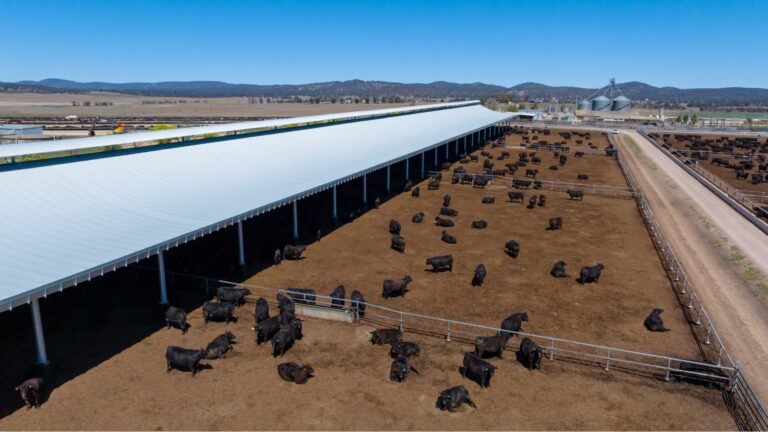
Some feedlot businesses face the challenge of limited available land. In such cases, installing a Ridgeback® can be a game-changer. By strategically placing a Ridgeback® over existing pens, feedlot operators can significantly increase their operational capacity without the need to acquire additional land or construct entirely new infrastructure. This innovative approach enables feedlots to optimize their land usage and maximize their herd size, ultimately improving profitability.
Effluent management is a critical concern for feedlot operations. Ridgeback® shelters play a vital role in addressing this challenge. When cattle pens are moved undercover, they remain dry even during wet weather conditions. This has a direct impact on effluent runoff, significantly reducing or even eliminating the issue altogether. Proper effluent management not only aligns with environmental regulations but also enhances the overall cleanliness of the feedlot. Clean and dry pens contribute to healthier cattle and reduce the need for extensive cleaning and maintenance efforts.
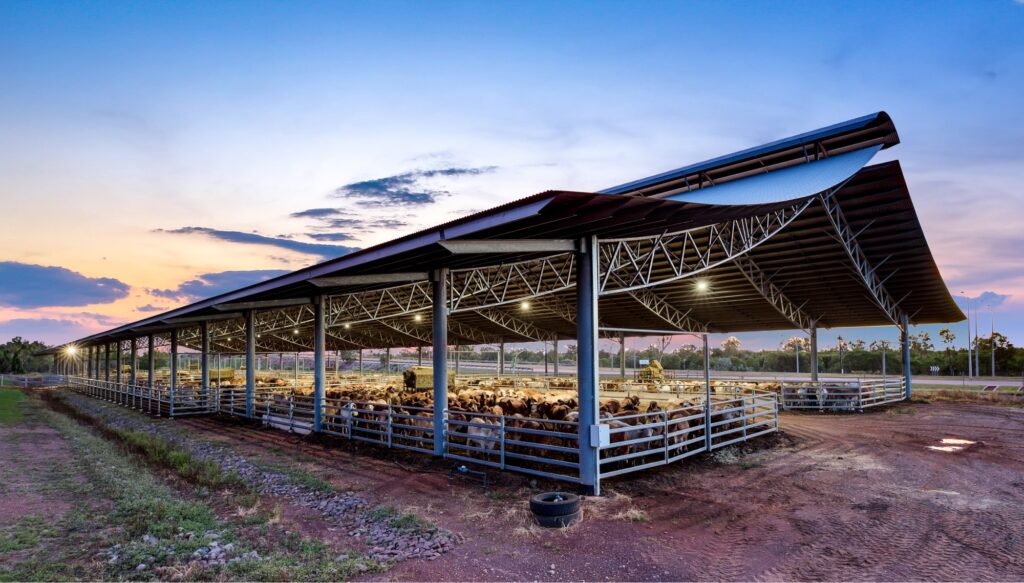
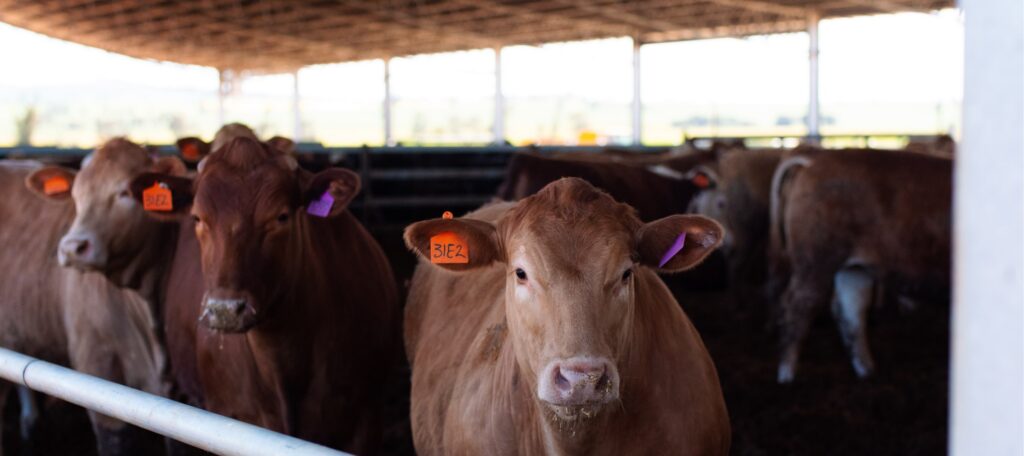
.
Source: ALFA Animal Health and Welfare Workshop
When considering the implementation of a Ridgeback® shelter, it’s essential to be aware that planning and environmental approvals will come into play. This process involves engaging with local authorities and regulatory bodies to ensure that your project complies with zoning regulations, environmental impact assessments, and other relevant criteria. These approvals are necessary steps to navigate, as they vary by location and may involve environmental impact studies to assess the potential effects of the shelter on the surrounding ecosystem.
Securing building approvals is a critical aspect of any construction project, including Ridgeback® shelters. It’s important to note that Ridgeback® shelters typically fall under section 10a of the National Building Code, which means they are not considered habitable structures for humans. While the requirements may be less stringent than for residential or commercial buildings, obtaining building approvals is essential to ensure that your Ridgeback® complies with safety and structural standards.
The orientation of a Ridgeback® shelter is a crucial consideration for maximizing its effectiveness. Factors such as prevailing wind directions, solar exposure, and the layout of the site should be carefully evaluated. For instance, if there is a predominant wind direction in your area, aligning the Ridgeback® accordingly can provide optimal shelter for cattle during windy conditions. The choice of orientation can impact the level of shade and comfort your cattle experience within the shelter.
Locating a reliable source of bedding supply is a key element in the successful management of your Ridgeback® shelter. The type of bedding you choose, such as straw, wood chips, or other materials, should be well-suited to your specific region and climate. Access to bedding materials may vary across different parts of Australia, so selecting the right bedding and ensuring a consistent supply is vital for maintaining the health and comfort of your cattle under the Ridgeback®.
The design of pen floors plays a significant role in feedlot operations, even more so under Ridgeback® shelters. While traditional feedlot pens require a slope to facilitate runoff, the introduction of Ridgeback® shelters can alter these requirements. Eliminating the need for excessive slopes can reduce earthwork costs and make previously unsuitable flat sites viable for feedlot expansion. The slope considerations for pen floors under Ridgeback® shelters may differ from those in open pens, and it’s crucial to assess these factors during the planning phase.
The Ridgeback® reduces maintenance costs by providing a predictable environment with less weather exposure. This enhances staff scheduling, improves workflow efficiency, and boosts staff satisfaction. It also addresses the skills shortage in the feedlot industry by creating a more attractive and comfortable work environment.
When cattle arrive at the Teys Australia Victorian feedlot, they are now divided for scientific purposes.
Cattle emerge from thick fog, walking along the yard rails in a big group.Next come the pen riders. They are rugged-up.
Big producing Australian dairy cows are more susceptible to heat stress than ever before, but scientists have proven that a multifaceted approach is the best way to stem milk losses.
“Having healthy calves in our dairy business is integral to the end-point which is making milk,” he said. “If we can grow a stronger, healthier calf fast – at the start of her life – and maintain that growth throughout its life, it will be a bigger, healthier cow when she has her first calf. “So ultimately from that fact alone, we will be having a better cow in the herd so more dollars in our pocket.”
Through summer you get 40 degree days and the troughs are out in the open, they get direct sunlight and algal bloom. We try and mitigate that through trough blocks and cleaning troughs twice a week, however, there will also be a temperature rise in that water. Eight hundred kilo cattle don’t handle those sorts of environmental factors, there’s crowding and panting. However, standing underneath a Ridgeback™ , with the design, there’s a constant airflow, you get a nice, cool breeze. There’s a significant difference in the maximum day time temperature.”
“Happy cows produce more milk, it is as simple as that.” “And the cheapest feed we produce is what’s out in the paddocks, but in our climate they can’t graze all day long. It is too hot. That’s why when they are able to come back to the Ridgeback, it has made a big difference to how comfortable our cows are and the amount of feed our cows will eat.”
“The test (butterfat and protein) went up immediately,” Chad said. “There was a 0.2 per cent average increase across the fat and protein. They were eating more feed, obviously because they were more comfy. We had budgeted on the milk (litres) going up but didn’t budget on the test going up.”
“There were key drivers in improvement in hot standard carcass weights, improvements reflected in animal health - lower morbidity and mortality rates,” “We also were considering that our wood chip program, for bedding, that we have for our heavier cattle, there could be some offsets or (opportunities to) reduce that bedding structure in various depths because of the result of having a shelter structure. “So adding all those components up, and pen maintenance throughout the year - pens having less water, less erosion - that should reduce our maintenance costs.”
“We look at feeding efficiency, carcass weight and the animal’s health.” “With bedding in the shed, there’s less mud on the cattle,” “It’s a comfort thing and also for the (processing) plant, they won’t have to spend as much time washing the animal prior to slaughter.”
Bedding and pack management are indeed significant considerations for lot feeders exploring Ridgeback shelter options. They seek cost-effective solutions that effectively manage waste while maintaining cattle comfort within their Ridgeback shelters.
Yes, ROI can be a challenge for many lot feeders considering Ridgeback shelter investment. However, engaging with the Entegra team can significantly assist in infrastructure planning to maximize the lifetime value of the Ridgeback. While some have achieved quicker returns with Ridgeback shelters, others find it difficult to justify the significant initial investment. It’s essential for lot feeders to assess their unique circumstances and regional regulations and collaborate with Entegra to ensure that Ridgeback shelter investment is optimized for long-term ROI.
Stocking density regulations vary, and understanding their impact on Ridgeback shelter investments is crucial. Trials are being conducted to provide data to regulators for more informed decisions regarding Ridgeback shelters.
Yes, the Ridgeback ventilation system is engineered to enhance air exchange significantly. Aerospace engineers have rigorously tested the design to ensure its effectiveness in providing excellent ventilation within the shelter. This innovative ventilation system is a key feature that contributes to the overall quality and performance of the Ridgeback shelter.
To begin your journey of understanding the Ridgeback and its suitability for your feedlot, the best step is to schedule a call with an experienced Entegra team member. They can provide you with valuable insights and information about the Ridgeback shelter. Additionally, if needed, they can arrange a site visit to assess how the Ridgeback can best meet the specific requirements of your feedlot, ensuring a tailored and effective solution for your needs.
Ridgeback shelters offer a unique advantage over alternative options like shade sails. While shade sails can provide relief from direct sunlight, they have limitations when it comes to enhancing airflow. Ridgeback shelters, on the other hand, have undergone extensive testing and design by aerospace engineers, which has demonstrated a significant improvement in air exchange within the sheltered area. This enhanced ventilation is essential for ensuring the comfort and productivity of cattle, particularly during hot weather conditions.
Bedding quality within Ridgeback shelters varies, with some feedlots using locally sourced materials like sawdust, while others face challenges related to wet bedding conditions within their Ridgeback shelters.
ROI for Ridgeback shelter investments is multifaceted and influenced by various factors, including operational specifics and compliance with regional regulations.
Yes, Ridgeback shelters can be tailored to meet the specific needs of your feedlot. The experienced Entegra team will work closely with you to understand your unique requirements and design a Ridgeback shelter that aligns with your goals. Whether you need a shelter for shade, protection from the elements, or other specific purposes, customisation options are available to ensure that the Ridgeback shelter is a perfect fit for your operation. Contact us to discuss your requirements and explore the possibilities of customisation.
Yes, there is evidence of productivity improvements associated with Ridgeback shelters. Research backed by Meat Livestock Australia (MLA) has shown several benefits, including:
Heavier Exit Weight: Cattle provided with Ridgeback shelter tend to have a heavier “exit” weight, which can result in increased profitability. Improved Average Daily Gains: MLA-supported research in Australia has indicated improved average daily gains in cattle housed under Ridgeback shelters.
Consistent Dry Matter Intake: Providing shade and shelter to cattle has been linked to more consistent dry matter intake, contributing to better overall feedlot performance. These findings demonstrate that Ridgeback shelters can positively impact cattle productivity, making them a valuable investment for feedlot operations.

