BeefEx Wrap

Key Points

• Benefits outweigh the cost in an industry feedlot shelter trial at Rangers Valley
• Bedding improves cattle musculoskeletal health in feedlots
• Take a look at the future of cattle induction at Teys Charlton
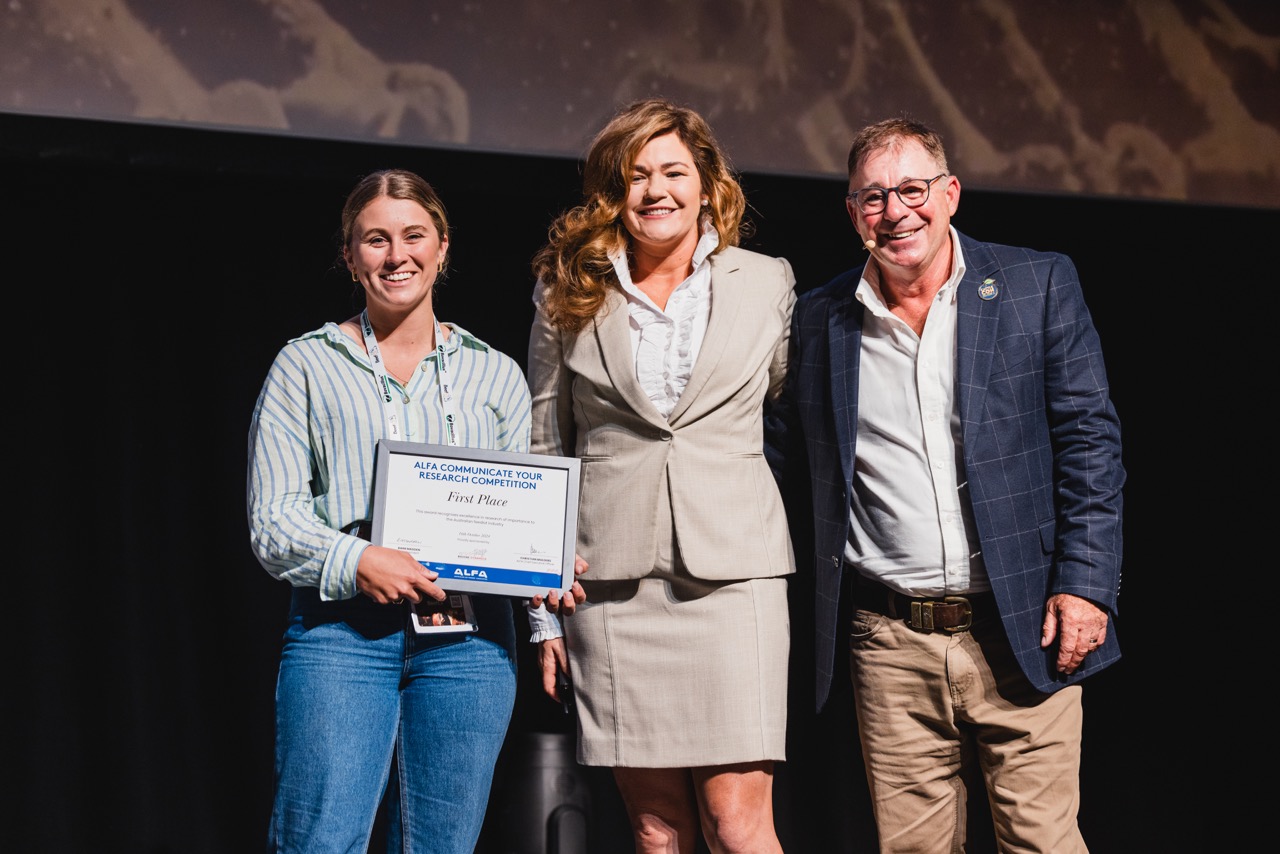
• ALFA Communicate Your Research Competition winner announced

Ridgeback® shelter and bedding pays dividends

ONE NSW feedlot is banking an additional $47 per animal thanks to partially covering its pens with an Entegra Ridgeback® and providing wood chip bedding.

That’s according to the cost benefit analysis from Meat and Livestock Australia (MLA) research into partially covering housing systems unveiled at Australia’s premier feedlot conference – BeefEx.
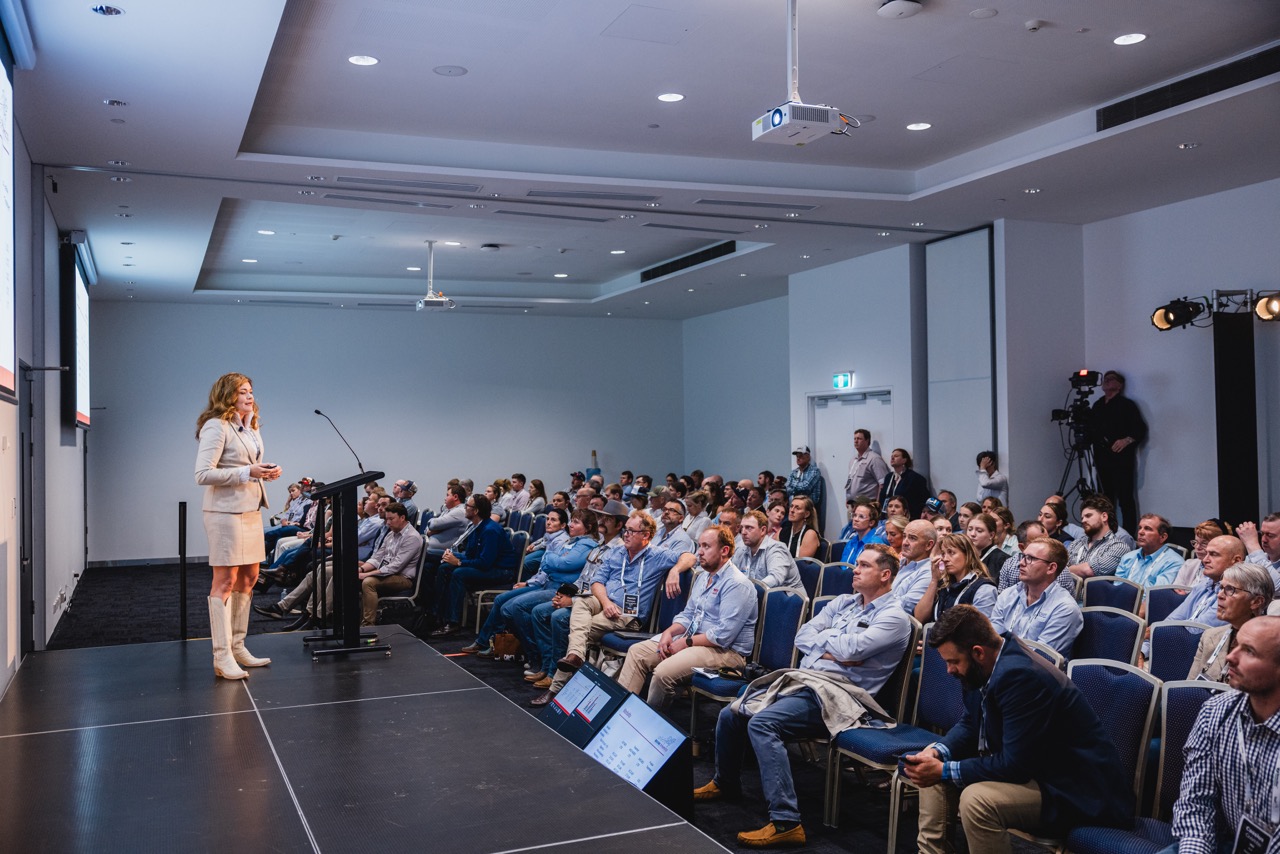
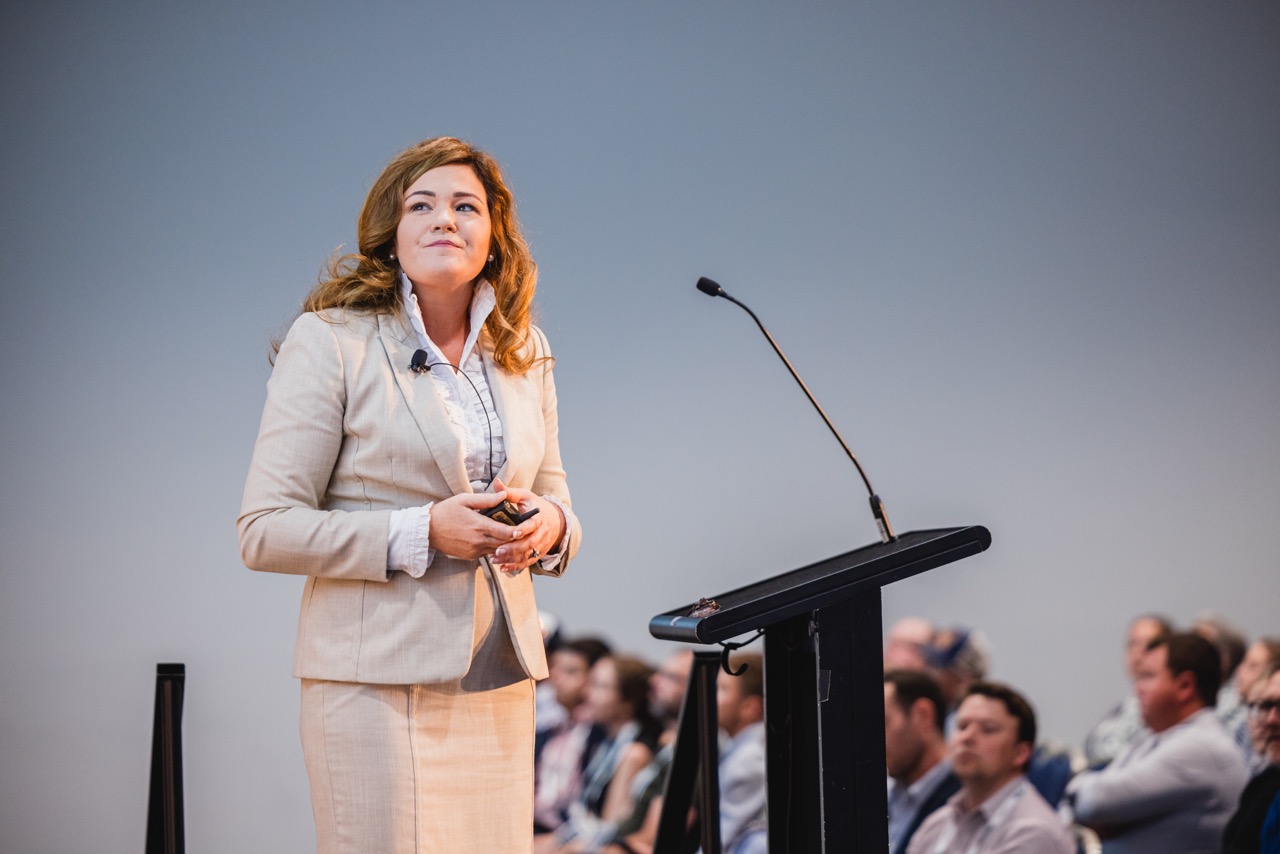
Bovine Dynamics’ Feedlot Consultant Dr Melissa George told the crowd at Brisbane, Queensland that animals with permanent shelter and bedding also had fewer dags at day 50 of the trial and the least amount of dags at day 100.

“(Dags) are a major challenge for our industry and washing cattle is extremely stressful, and it actually costs producers a significant amount of money to go to the abattoirs and be washed or if you wash them at home,” she said.

Cattle under the shed drank 5 litres/head/day less during summer than those in outside pens.

Dr George also explained how cattle in the shed, with no bedding had the highest morbidity level at 4.06 per cent, compared with 2.26 per cent for the outside cattle and 2.43 per cent for those with bedding and shelter.

She attributed some of the differences in morbidity to digestive upsets as a result of taking cattle that had been on feed for 180 days, off feed for a few hours and moving them into a shed, but stressed the biggest factor was musculoskeletal morbidity.

“And we know in this system, 280 days on feed, the bedding is beneficial to musculoskeletal health,”
“That doesn’t mean it is going to be beneficial in 70-day Braham, you know. It is really dependent. “

There were also much higher “removals” for the pens with shelter but without bedding.

These were the new findings from research conducted at Rangers Valley feedlot in northern NSW.

In June, data from the trial – including that the partially-covered and bedded group had a 6.3 kg hot standard carcase weight advantage over the outdoor, bedded pens and were 4.2kg HSCW more than the partially-covered group without bedding – was shared as part of an Australian Lot Feeders’ Association webinar.

The webinar was also told that the cattle in pens with partially covered housing and bedding had an increase of 0.45kg of dry matter feed intake per head per day compared to the cattle outside with bedding, as well as a higher average daily gain at 0.09kg/animal/day.

Animals with access to shelter and bedding also recorded an exit weight of up to 11.1kg more than the other trial groups.

The Rangers Valley trial included a total of 5178 steers in bedded and earthen pens partially covered by a Ridgeback® and compared them with uncovered, bedded pens.

The partially covered pens were stocked at a density of 7.5 metres squared per head, while the uncovered pen was 15 metres squared per head.

Steers were randomly selected for the three groups and the trial was conducted across summer and winter.

Rangers Valley is traditionally a high-rainfall area – averaging 850mm a year.

Summer is generally the highest rainfall period, and pen floors remain comfortable thanks to the shade. However, the winter can be challenging, with about 50mm a month, continuing to cause challenges and saturation.

But Dr George said that would not be the case for all feedlots.

Dr George also said shade is crucial for cattle to self-regulate their body temperature and reduce heat stress.

Rangers Valley believe that cattle deserve to choose if they spend time inside or outside and Dr George said this has proven benefits.

“There’s been a great review of lots of papers and it has shown that we know that by allowing cattle, and animals in general, to have a choice, that we can improve their animal welfare and their performance,” she said.

The trial also found that pens with bedding had an increased carbon to nitrogen ratio and higher moisture content.

The future of cattle induction is close

Feedlots could soon reduce the number of staff required to assist with cattle induction, following results from a Victorian automation trial.

And reducing the role of human intervention in cattle feedlot induction has also delivered animal welfare benefits.

BeefEx heard how Teys Charlton had installed a demonstration pilot automated feedlot induction system – complete with an auto backline – developed by Te Pari as part of a Meat and Livestock Australia (MLA) trial with the University of Melbourne.

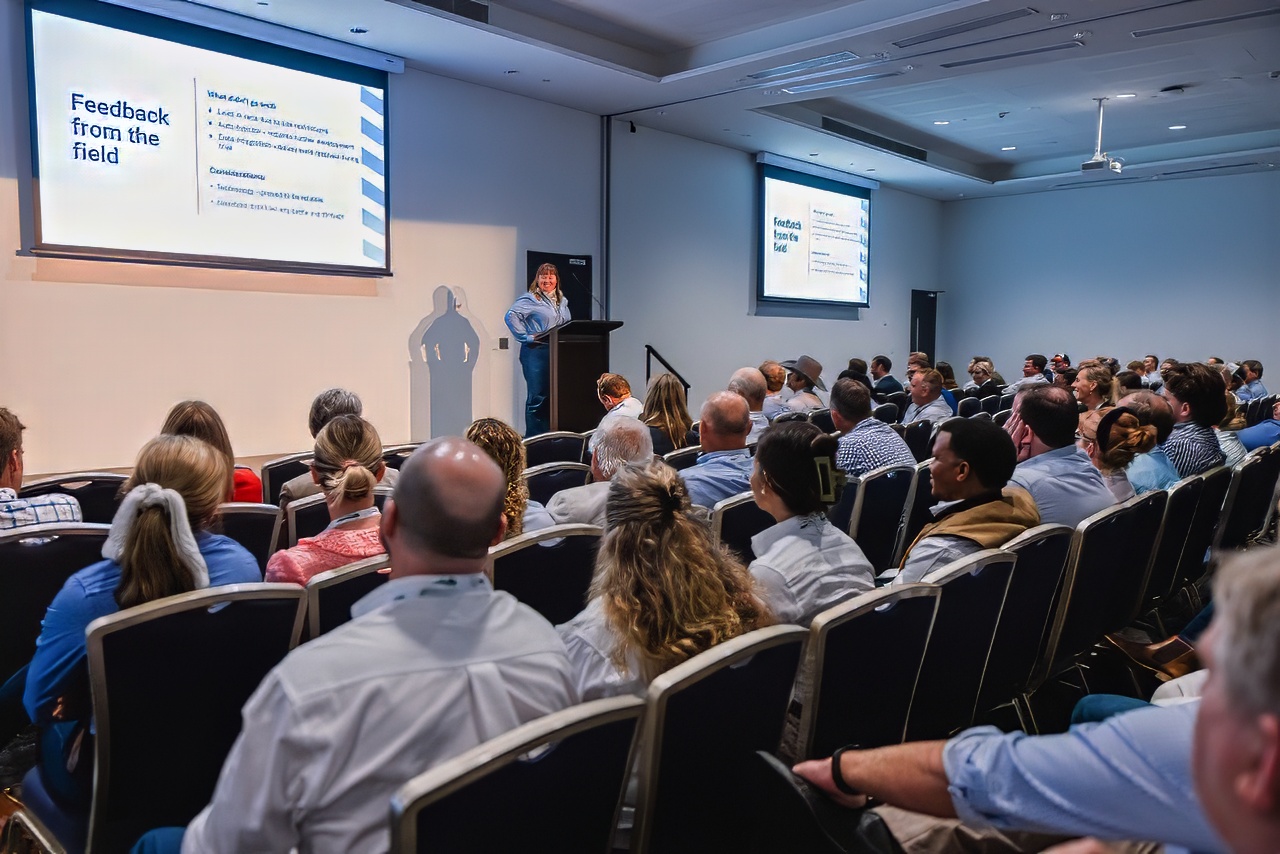
Samantha Gladman, from Teys Charlton, said the feedlot could “still induct” at a commercial level with the automated unit, despite installing it in an area with limited space which affected cattle flow.

And despite being a “sceptic” about technology, she was pleased to report the headbail caught the cattle – none slipped through – and she could confidently walk away from the controls and focus on other tasks, such as vaccinations and data collection.

Samatha said this technology could open the door for less reliance on skilled labour to operate the crush and less staff for the entire induction process.

“I’ve got a few years knowledge in induction, so I could quite easily do those tasks,” she said.

“But even with a less experienced team, I still think it can remove at least one labour unit, going off our induction process that generally has four people. I think it is a positive when staff are hard to find.”

Other benefits included better data entry – because Samatha was able to concentrate on the computer while the machine caught the animal, more time to change needles, reset drugs and less human interaction with cattle – making them calmer.

The automatic injector didn’t work but Samantha is excited to see how this technology will develop, while data integration issues were resolved throughout the trial.

University of Melbourne Lecturer Daniel Brookes measured the welfare of 1200 cattle inducted into the feedlot with the new system and reported low levels of issues.

He scored their welfare based on a variety of metrics including the number of vocalisations – more than three bellows during the process – animals leaving the crush in an abnormal way and the amount of human intervention – people sticking their hands through the bars to get cattle moving.

At the start of the trial there were five “vocalisations” per 100 animals but this decreased and wasn’t deemed “abnormal.”

Levels of human intervention were also low, however, Daniel suspected this varied because of the staff rostered on, more so than the automated system.

He suggested cattle would exit the crush better if it was installed in a different area and also recommended more space to improve cattle flow.

The Te Pari automated induction process has many steps, outlined below:
• Cattle first enter the holding zone
• Cattle enter the crush and into the headbail, the rear sliding gate and headbail automatically close, restraining the animal
• The hydraulic parallel side squeeze and hydraulic anti-backing bars are activated
• A weight and electronic identification is automatically recorded
• A hydraulic neck extender is controlled by the operator
• The revolution gun auctionally calculates a treatment based on the animal’s actual weight
• When processing is complete, a single button opens all crush functions to allow the animal to exit
• The crush system then automatically resets to start the process again

Explore Ridgeback® Solutions Tailored to Your Operation

Interested in learning how Ridgeback® shelters can be adapted to meet the unique needs of your feedlot?

Our team at Entegra is ready to collaborate with you, offering expert guidance and customised solutions to enhance your operation’s efficiency and animal welfare. Reach out today to discuss how Ridgeback® shelters can transform your facility, improve livestock productivity, and support your specific goals.

See Other Blog Posts

Beef Ex Bites

ONE global food integrity expert has praised Australia’s feedlot quality assurance program, crediting it for market access benefits and assisting the entire global beef industry’s social licence.

Read More ->
Ridgeback shade cover at Rangers Valley feedlot, designed and built by Entegra, sheltering beef cattle in pens beneath the steel structure

Let’s chat at BeefEx 

Visit the Entegra guest lounge at BeefEx, Brisbane. The Entegra team will be at booth 60 and 61 and available to talk through your ideas, explore concepts and share information.

Read More ->

Contact Us Now