Flexible farming delivers results for Queensland dairy farmer

Watch Project Video

  • https://www.youtube.com/watch?v=1gurmDNgdjQ

Key Points

Flexible farming delivers results for Queensland dairy farmer

GRANT LEDGER’S dairy herd has a lot of freedom. 

His family’s 220 Illawarra milking cows can choose to graze their lush Sunshine Coast Hinterland property. 

Or not. 

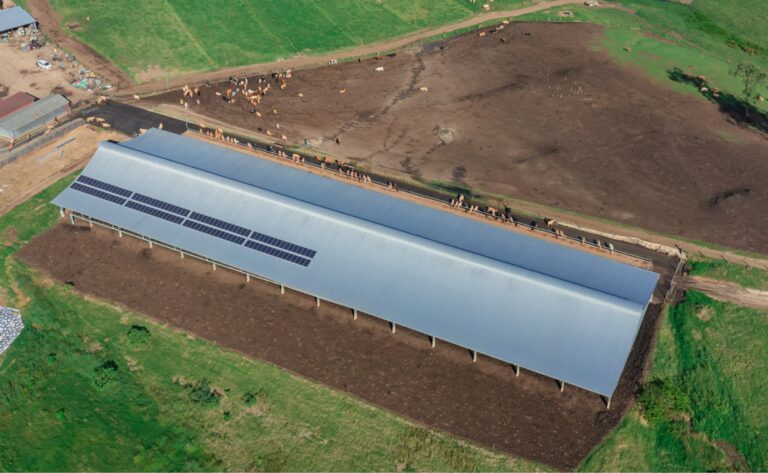
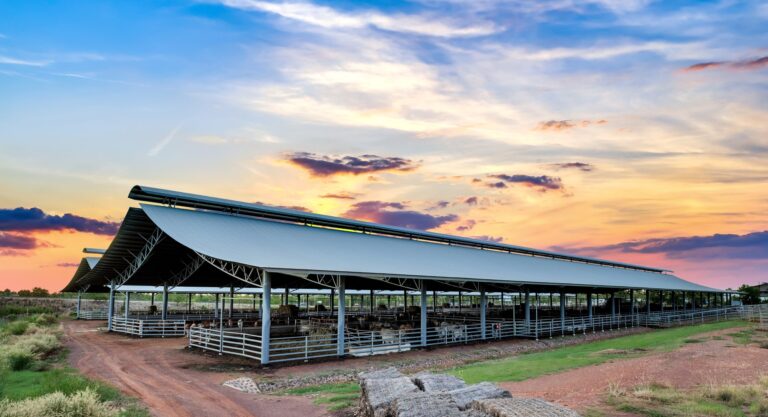
If it’s too hot, humid or even raining they can make their way back to the shade and shelter of an Entegra Ridgeback®. 

From there, they can decide when they want to step-out into the undercover feed pad area for a bite to eat. 

Or not. 

Instead, they could just lay comfortably in the fluffy compost bedding and chew their cud. 

This herd even has a choice of when they meandre their way to the dairy – within reason. 

All this might sound devine- if you are a bovine- but it works well for Grant and his family too. 

That’s because this  “flexible farming” management approach allows the Ledgers to work harmoniously with mother nature. 

For them, farming to match their weather conditions has made economic sense. 

It delivers  more consistent production, more milk – at least one-to-two litres per cow per day – less cases of mastitis, lower costs and happier cows. 

These all put a smile on Grant’s face. 

“Happy cows produce more milk, it is as simple as that,” Grant said. 

“And the cheapest feed we produce is what’s out in the paddocks, but in our climate they can’t graze all day long. It is too hot. That’s why when they are able to come back to the Ridgeback®, it has made a big difference to how comfortable our cows are and the  amount of feed our cows will eat.” 

Grant operates Riverwood Illawarras with his wife Betty, their son Steven and his wife Cassie. 

In addition to milk production, they also crop 46 hectares, growing wheat in the winter and sorghum during summer – both are made into silage. 

Each year about  800-1000 tonnes of these cereal crops are used on their farm as dairy herd feed and they sell about 2000-3000 tonnes. 

About 40 kilometres inland from Noosa, their farm at Carters Ridge receives the “extremes” of both the inland heat and coastal humidity. 

Highs can peak at close to 40 degrees celsius, while it’s possible for temperatures to reach “single digits” in the dead of winter. 

The region also receives about 40 inches (1016mm) of rainfall a year. 

Protecting their herd from these elements, while ensuring they  still graze paddocks, motivated the Ledgers to investigate cow shade and shelter. 

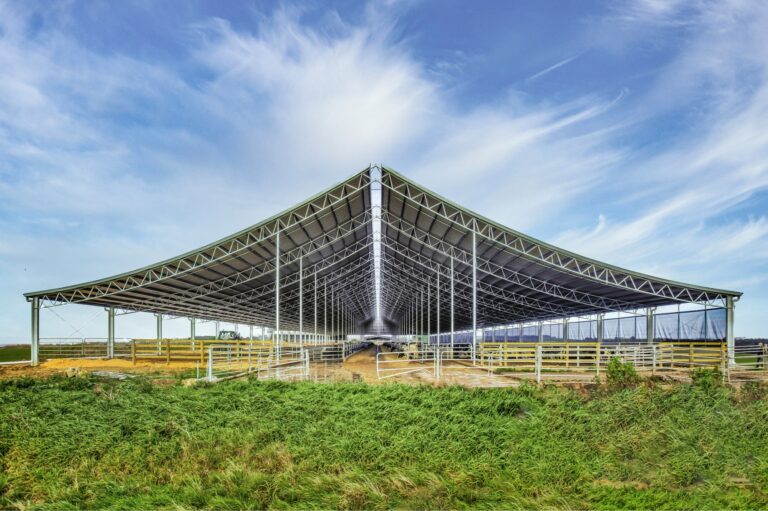
A nearby fellow dairy farmer had a Ridgeback® and Grant liked how the patented design delivered unrivalled cow comfort. 

“With the shape of the curve of the roof, and basically the gap in the centre of the roof, it (the Ridgeback®) creates its own sort of wind,” he said. 

“It creates breezes and takes all the gases and heat from the herd out through the top of the roof.” 

Helping cow health 

The Ledgers’ 60m by 30m Ridgeback® has been in operation for 3.5 years. 

Apart from the additional milk and consistency in production,, animal health- specifically a reduction in mastitis cases – has been the biggest gain for the family business. 

Before the Ridgeback® the dairy herd would get at least one case of mastitis a week – mostly environmental mastitis. 

This was a result of cows grouping beneath trees and near water sources in the paddock – because of the heat –  and the mud they’d cause from trampling the area and their closeness would spread disease, according to Grant. 

Now, they are lucky to get one a month. 

“One of the big effects of mastitis is that we’ve got to treat it with penicillin and once we have put penicillin into a cow we can’t sell that milk for seven days,” Grant said. 

“So basically we are losing production for seven days every time a cow gets mastitis. That means dollars to us” 

Grant believes the compost bedding beneath the Ridgeback® and the “sterile environment” they’ve created has reduced mastitis cases. 

The compost has been a work in progress and gets aerated each day to keep it in top condition. 

Woodchips formed the base of the compost and the cow’s have added manure over time. 

“We keep stirring it up, aerating it, exactly the same as you would do any sort of compost pit,” Grant said. 

“What that’s doing is it gets very hot under the surface and what we are doing by turning it over we are bringing up what was hot underneath, and all the bugs in it are being sterilised, so basically the cows are sitting in a sterile environment.” 

A canopy to the side of the Ridgeback®, across the top of a feedpad, provides shelter for the cows as they eat. 

It also keeps feed away from the sterile composted area. 

Effluent from the feedpad area is captured and used to fertilise cropping paddocks, reducing input costs, while the composted area is refreshed by the daily aeration.  

A good animal welfare story 

The Ridgeback® has also got the tick of approval from the Ledger’s milk processor. 

“They like the way the cows are comfortable,” Grant said. 

“It’s because their customers are  more aware about animal health and animal comfort these days. The manufacturers like to know that we are looking after the cows properly.” 

Grant said the reduction in antibiotic use – as a result of less mastitis cases – is also good for the marketing of dairy products from a “paddock to plate” perspective. 

But for Grant, the success of their Ridgeback® and farming system comes down to one simple metric. 

“They are just content,” he said. 

“The cows aren’t under any stress and they aren’t wasting energy on things that don’t produce milk. They are happy.” 

See Other Projects

Contact Us Now