Making Quality Maize Silage

Key Points

NUTRITION

Specifically nitrogen, phosphorus and potassium – is the key to maximising high-end corn yields, according to one fodder conservation expert.

And minimising oxygen in a silage pit is one of the  ways farmers can maintain quality.

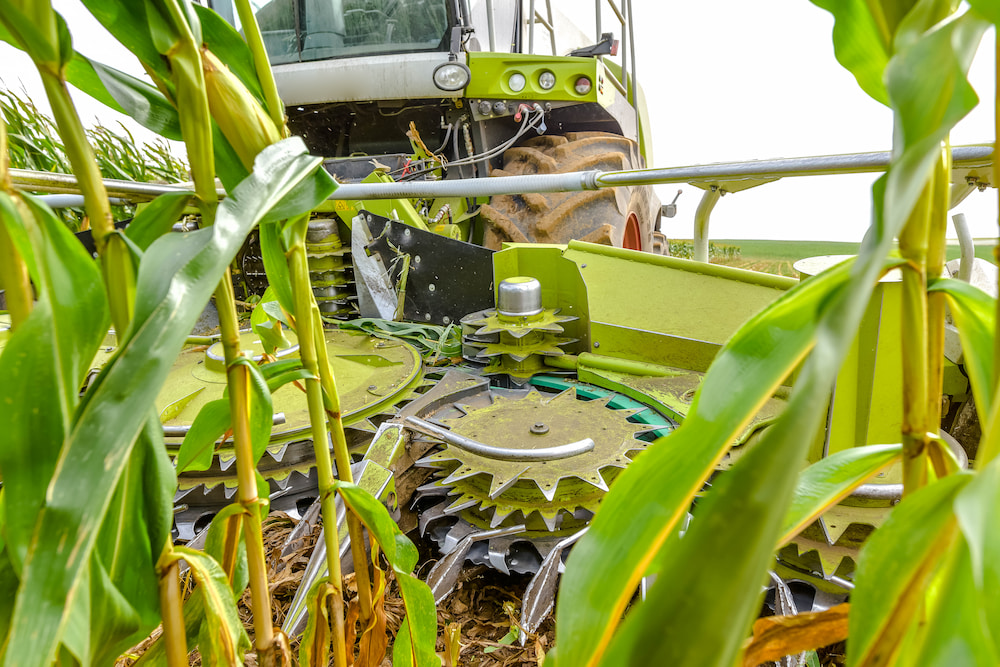
Pioneer Seeds National Silage Specialist Jason Scott told an International Dairy Week (IDW) seminMaar at Tatura, Victoria that making the best maize silage required attention to detail from paddock selection to fodder ensiling and storage.

Speaking about growing quality maize silage, Jason told the crowd to plant maize at a depth of 2.5cm and encouraged them to sow at a slower pace than farmers and contractors may have previously travelled, recommending 7-8.5 kilometres per hour, to ensure even distribution and promote uniform seed emergence.

Focusing on nutrition, he said nitrogen, potassium, and phosphorus make up 83 per cent of a corn plant’s total nutrient requirement with the plant consuming 63 per cent of these vital nutrients before it flowers.

Jason encouraged farmers to apply more than 8 kilograms of nitrogen per hectare per day for 21 days on maize crops, equating to 25-30kgN for every 1 tonne of grain grown.

Phosphorus should be applied at 10-15kg/tonne of grain grown, while potassium is 20-25kg/tonne of grain grown.

He told the IDW crowd to make the most of their manure – either effluent from the dairy or barn – to provide nutrients to the crop, and ensure they have access to irrigation water or assurance of rainfall.

When it came to harvest, Jason recommended chopping at 35-38 per cent dry matter and focusing on compaction in the silage pit.

He even suggested increasing the tyre pressure of the machinery used to compress to the fodder in the pit to maximise compaction.

Ideal silage pit compaction should be more than 250kg of dry matter per cubic metre.

Pit covers help keep oxygen away from the fodder, while inoculants can fasten the ensiling process without heating-up the crop.

Jason explained that the silage pit face – the area where fodder is extracted from the pit – should have limited oxygen exposure.

He encouraged farmers to use a silage cutter to remove fodder from the face of the pit or – if a tractor bucket is the only option – to scrape silage in a downwards motion from the face of the pit.

See Other Blog Posts

BeefEx Wrap

Building a Ridgeback®: The benefits outweigh the cost. The results of the Rangers Valley trial, where partially covered housing in the final 100 days boosted cattle performance – as presented by Dr Melissa George at BeefEx’s R&D session.

Read More ->

Beef Ex Bites

ONE global food integrity expert has praised Australia’s feedlot quality assurance program, crediting it for market access benefits and assisting the entire global beef industry’s social licence.

Read More ->

Contact Us Now