Protecting food security and mitigating climate change

Key Points

Protein 2024

  • The next tech for feedlots
  • How can farmers play a role in solving some of the world’s biggest challenges?
  • Your guide to climate- speak.


On Tuesday June 25, 2024, By Entegra Signature Structures

Decision makers must not only consider which climate change mitigation investment opportunity will bring the most financial and environmental value – but more importantly – they must also consider the impact that their decisions have on our ability to produce food and ultimately satisfy our inherent human rights obligations.

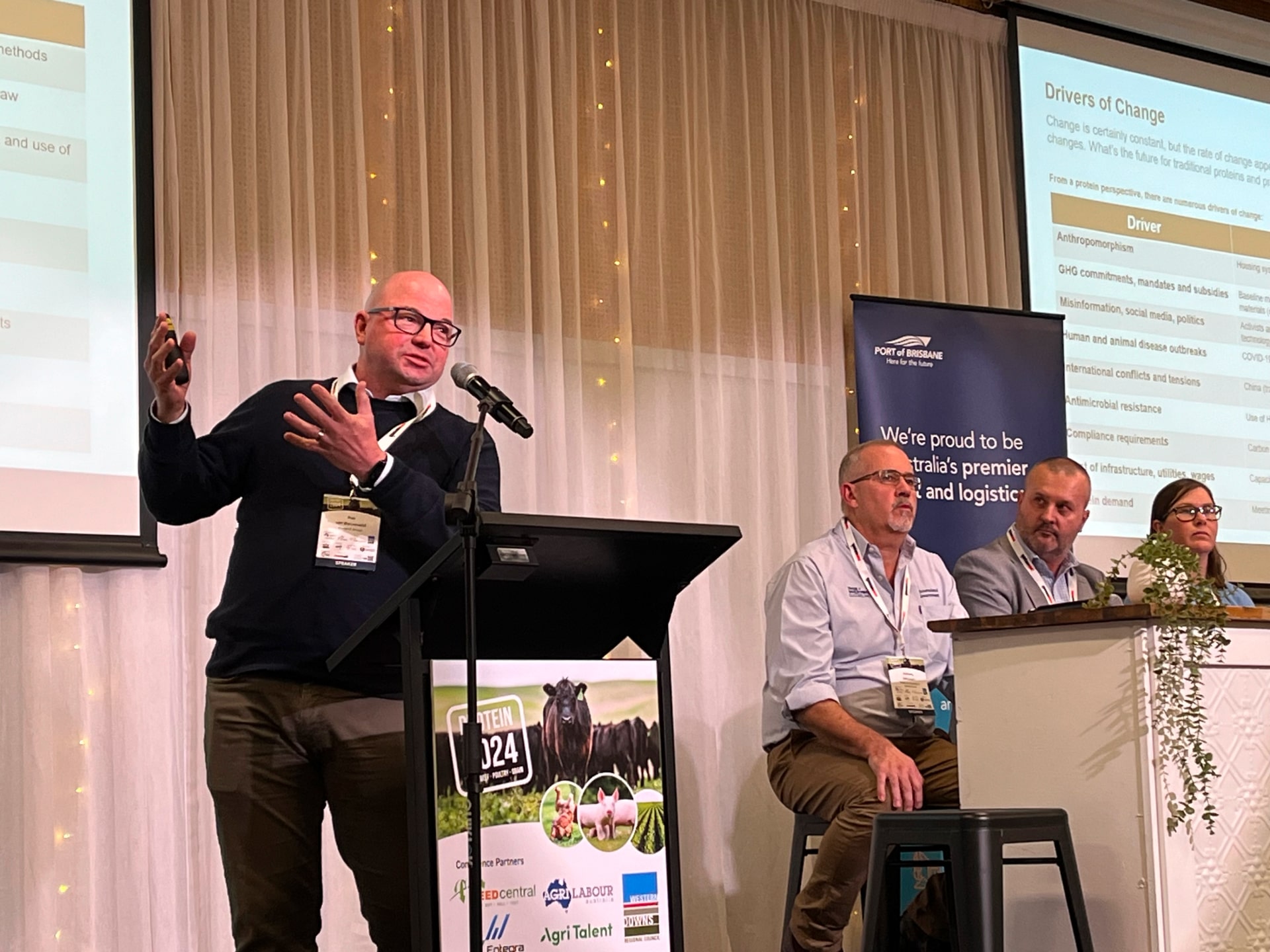
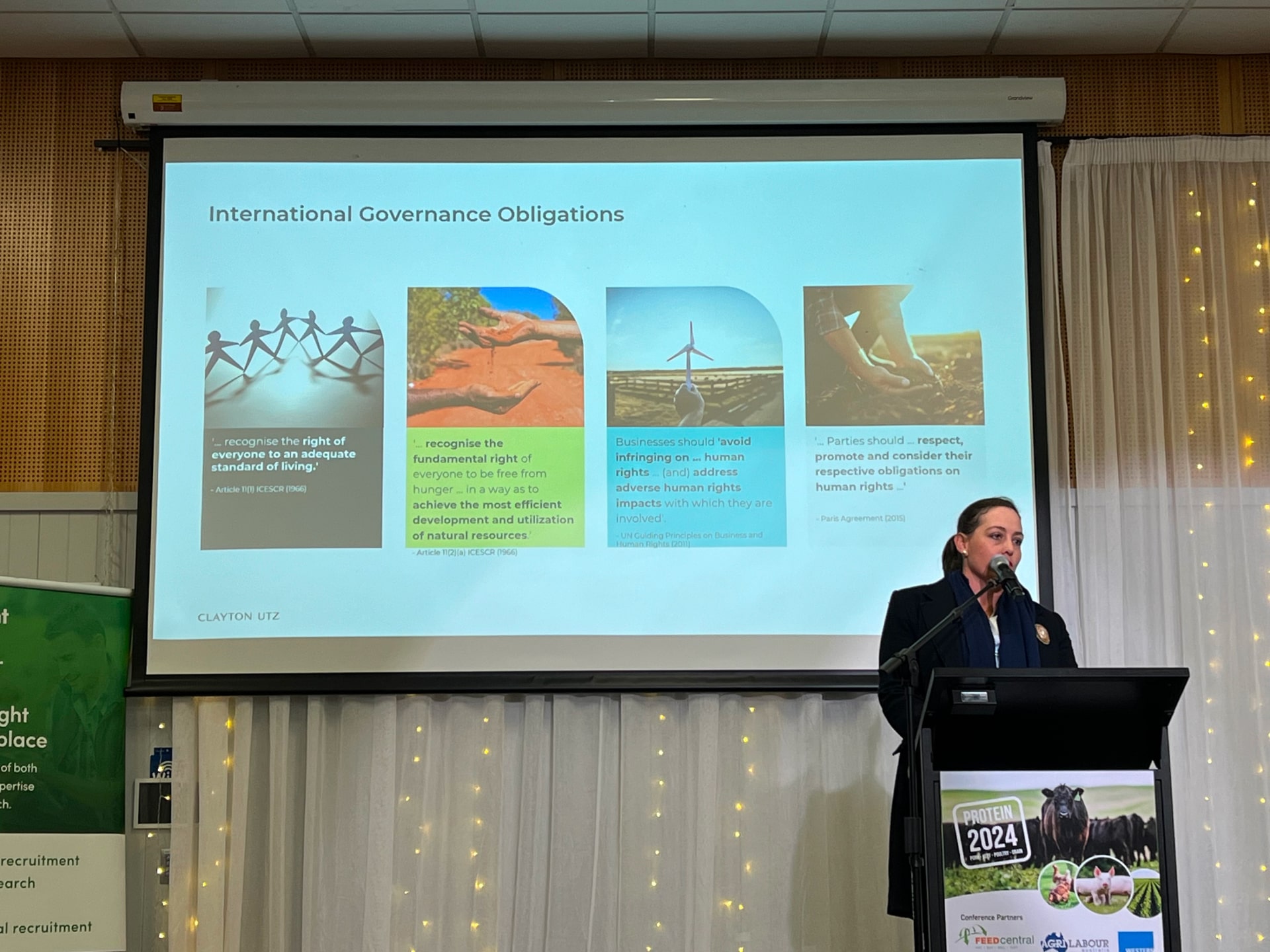
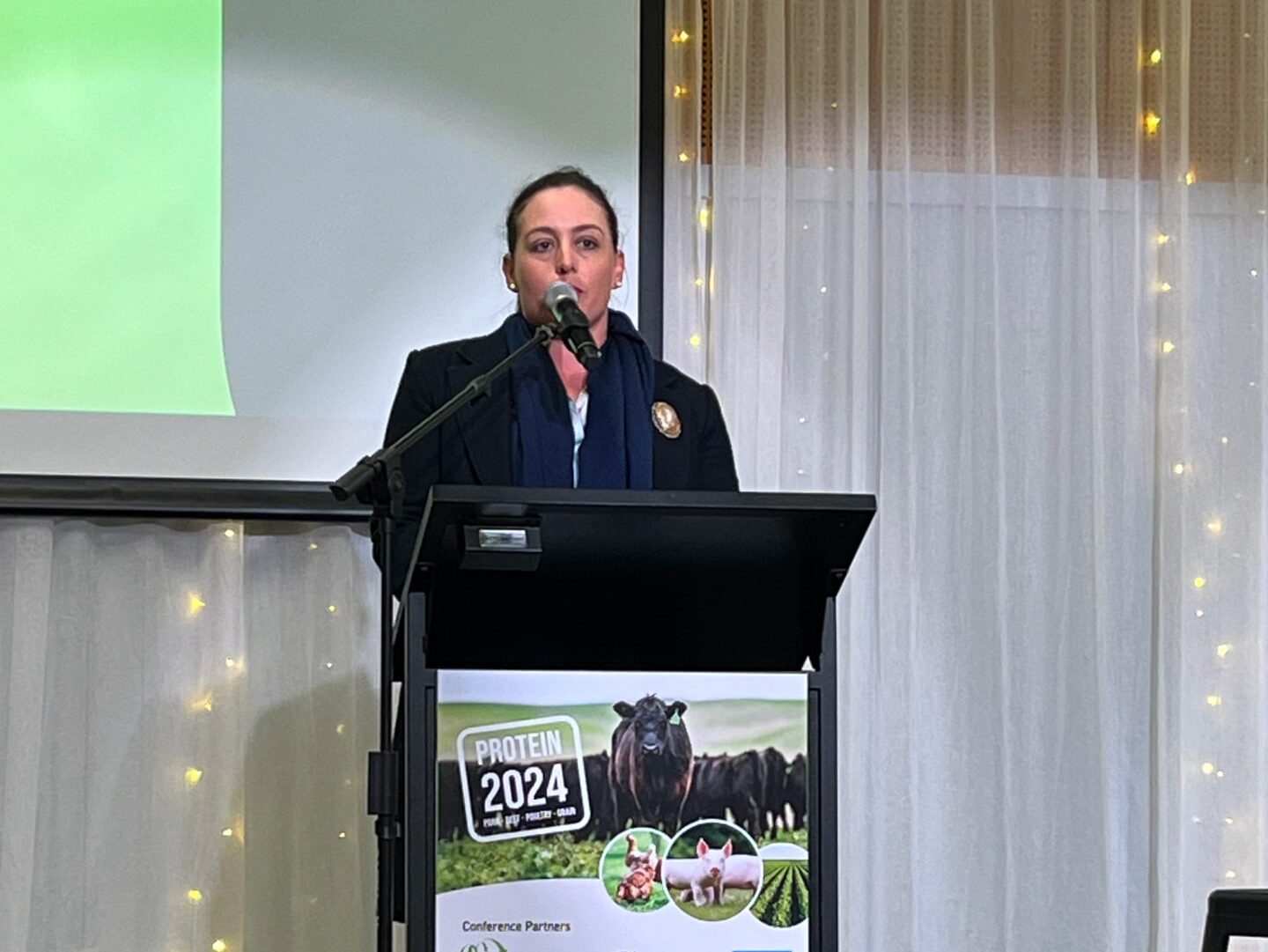
That was one of the messages from Clayton UTZ Senior Associate Caitlin McConnel at this year’s Protein conference at Dalby, QLD.

The lawyer working in the area of agribusiness, food, environment and sustainable development and QLD farmer told the crowd that behind the United States, Australia has the second largest volume of climate litigation in the world with case numbers growing.

She also explained that the “ultimate objective” of the legally-binding Paris Agreement on climate change is to achieve the stabilisation of greenhouse gas emissions without threatening food production.

Sharing insights into the climate, law and what it means for primary producers, Caitlin explained that for “the very first time in modern history, farmers and lawyers are fundamental to overcoming the two major economic challenges we are facing globally, climate change and food security”.

Referring to the Paris Agreement, Caitlin said the thing that “excites” her is that member states, including Australia, in signing the agreement recognised the need for an effective and progressive response to the urgent threat of climate change on the basis of the best scientific knowledge available.

“That means the methodologies we use and the science that ensues is allowed to develop and change over time,” she said.

“There is no one hard or fast solution when it comes to nature.”

She also stressed that signatories to the Paris Agreement also recognise the “fundamental priority” of safeguarding food security and acknowledge that when tackling action to address climate change, they should respect, promote and consider their respective obligations on human rights. They also agree that sustainable economic development should not threaten food production, Caitlin said.

“These acknowledgements are in black and white in the first two pages of the Paris Agreement before we even get to the point about pursuing emissions reduction targets or limiting the temperature increase,” she said.

Caitlin told the crowd that a “significant” percentage of climate litigation, to-date, had been focused on government administrative decisions but there was now an increasing focus on claims against corporate entities, particularly large emitters.

“In particular, claimants are now actively seeking to test the boundaries of establishing legal principles to extend to climate related harm and responsibility by choosing to hold decision makers, including directors, to account with cases including claims of misleading and deceptive conduct,”she said.

“More commonly known as green washing, green hashing and now even green freezing.”

With this in mind, she encouraged the crowd to make “fully considered ESG (environmental, social, governance) decisions.

Her tips included

  • Treating climate, ecosystems and human society as parts of an integrated system.
  • Weigh-up the legal benefits and risks of environmental versus societal outcomes
  • Rely of scientific/expert advice that is substantiated by qualified, independent and up-to-date environmental data or scientific findings.
  • Be direct and open about sustainability transitions that are subject to clear and actionable plans, and ongoing evaluation.
  • Consider potential impacts on all human rights.

Climate quick reference guide –  (source Caitlin McConnel,Clayton UTZ, Protein 2024, Dalby, QLD)


ESG – Environmental, Social and Governance. First mentioned by the United Nations in 2006. In the past 18 years there’s now more than 600 ways to voluntarily access government and corporate ESG activities globally, otherwise known as sustainability reporting.

“It’s why many of you are already finding your bank, insurer, or commodity market stakeholders are already asking you for seemingly the same information about your business but asking for it in different ways or formats in order for them to plug into their own reporting framework of choice”.


Sustainability – not legally defined in Australia. Used by State and Federal Governments to protect and create environmental protection legislation in order to specifically promote ecologically sustainable development through the conservation of ecologically sustainable natural resources. It is that term that underpins every piece of legislation relating to planning and development in Australia.


Net zero– not legally defined in Australia and the most misunderstood term. The internationally agreed upon goal for governments’ to reduce the net human caused emissions of carbon dioxide to prevent the worst of climate damages. This is the term driving the conversation about utilising certain technologies or methodologies to measure soil carbon or methane emissions from livestock.


Biodiversity – the diversity between ecosystems. Also increasingly used interchangeably with the term ‘nature’.


Sustainable agriculture – defined by the United Nations as farming that meets the needs of the existing and future generations while also ensuring profitability, environmental health and social and economic equity and favours the preservation of soil health and the protection of biodiversity. A term often used interchangeably with regenerative agriculture.

Natural capital– the Australian Government describes natural capital on its website as ‘natural resources, including vegetation, soils, water, oceans and biodiversity and the services they provide to our businesses, people and economy’.


Climate smart farming – regnosied by the United Nations as an approach that helps guide actions to transform agrifood systems towards green and climate resilient practices. A term used in the context of dual-purpose land use,  particularly discussions about agricultural land and renewable energies.


Feedlots on “cusp” of tech change

Artificial intelligence could soon be helping Australian lot feeders make everyday business decisions as the industry is on the “cusp” of embracing technology and automation.

That’s according to Bovine Dynamics Feedlot Nutritionist Dr Matt George.

The founder of specialist intensive ruminant veterinary care and nutrition consulting organisation Bovine Dynamics – which, with partners, collects information and carcase data on 1.5 million cattle on-feed each year- said it was an “exciting time” in lot feeding.

“Heavily involved” in bunk scanning technologies, Matt told the Protein conference at Dalby, QLD that there’s some “scepticism” of AI (artificial intelligence) but it will be used with “guardrails” until it is trained.

Then, it will play a role in feedlot decision-making and assist other areas of the business.

“I find it really exciting to start using diagnostic technology,” he said.

“There’s a process at Stockyard (Beef) where we are using remote sensing technology to identify sick cattle. A few tag failures pulled it up but it will be resurrected by early next year. It’s great for younger people coming into our industry and hopefully staff retention.”

Mort & Co Sustainability Manager Brad Robinson said thanks to “better technology” one of Australia’s largest privately-owned beef cattle lot feeding, management and marketing companies was implementing a real “transition shift” in its business.

He said Mort & Co has automatic bunk scanning at two of its sites now and this technology not only shifted people’s mindsets about how “things were done” it’s also brought new people into the business and regional communities.

See Other Blog Posts

BeefEx Wrap

Building a Ridgeback®: The benefits outweigh the cost. The results of the Rangers Valley trial, where partially covered housing in the final 100 days boosted cattle performance – as presented by Dr Melissa George at BeefEx’s R&D session.

Read More ->

Beef Ex Bites

ONE global food integrity expert has praised Australia’s feedlot quality assurance program, crediting it for market access benefits and assisting the entire global beef industry’s social licence.

Read More ->

Contact Us Now