Shelter and bedding deliver economic benefits

Key Points

ALFA pop-up webinar report

  • Production, carcase and health results from the partial covered housing trial at Rangers Valley, NSW
  • Top tips to complete your own cattle housing cost benefit analysis.
  • Learn more about Rangers Valley Feedlot where Meat and Livestock Australia conducted its shade, shelter and bedding research
  • Will we see you at the Protein Conference at Dalby, QLD?


On: Thursday June 12, 3024 By Entegra Signature Structures

Shelter and bedding deliver economic benefits

Long-fed Angus cattle under partial covered housing – and with bedding – have higher feed intake, average daily gain and exit weight.
That’s according to a snapshot of the recent Meat and Livestock Australia (MLA) research into partially covered housing systems presented at a recent Australian Lot Feeders’ Association (ALFA) webinar.
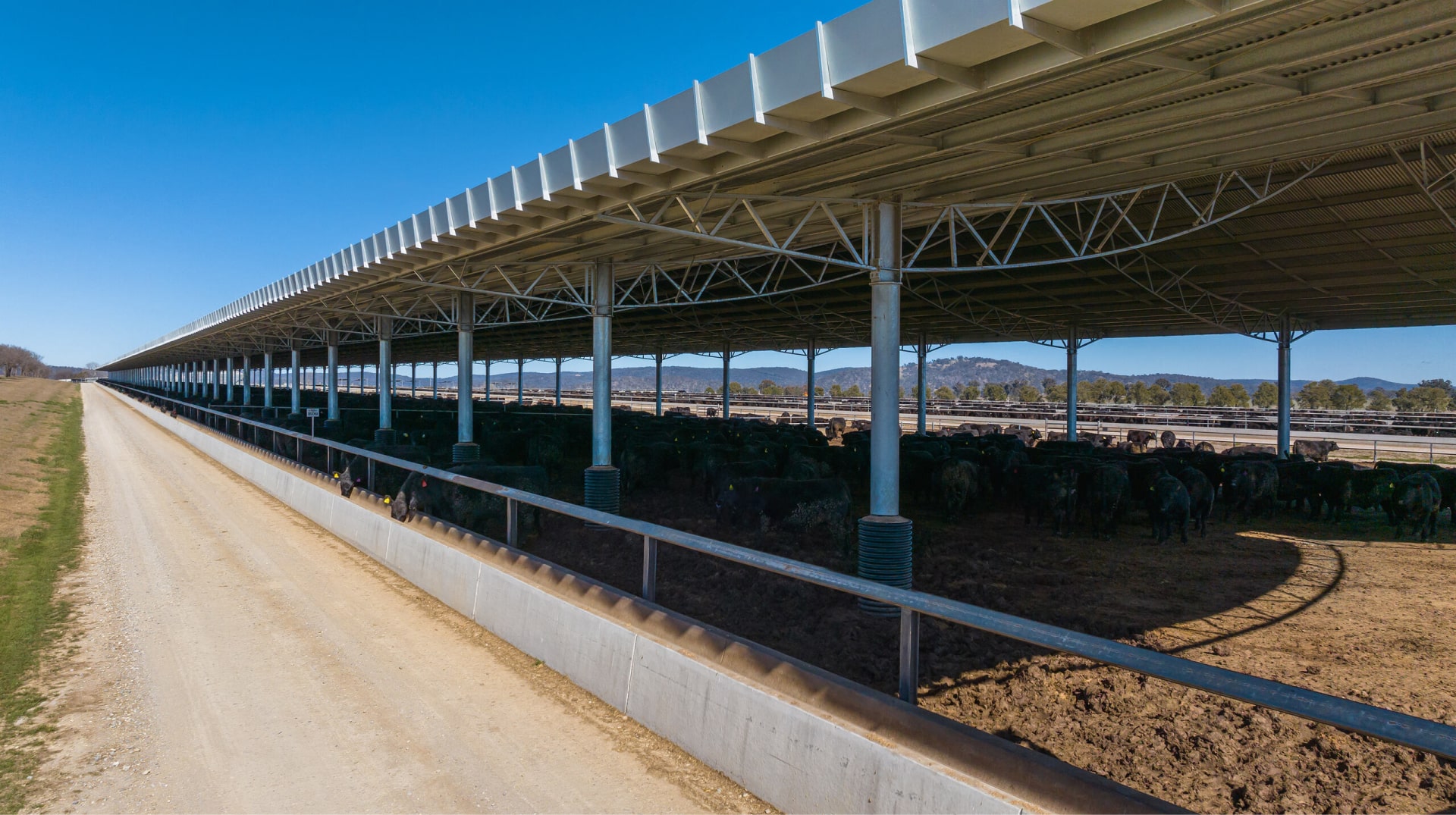
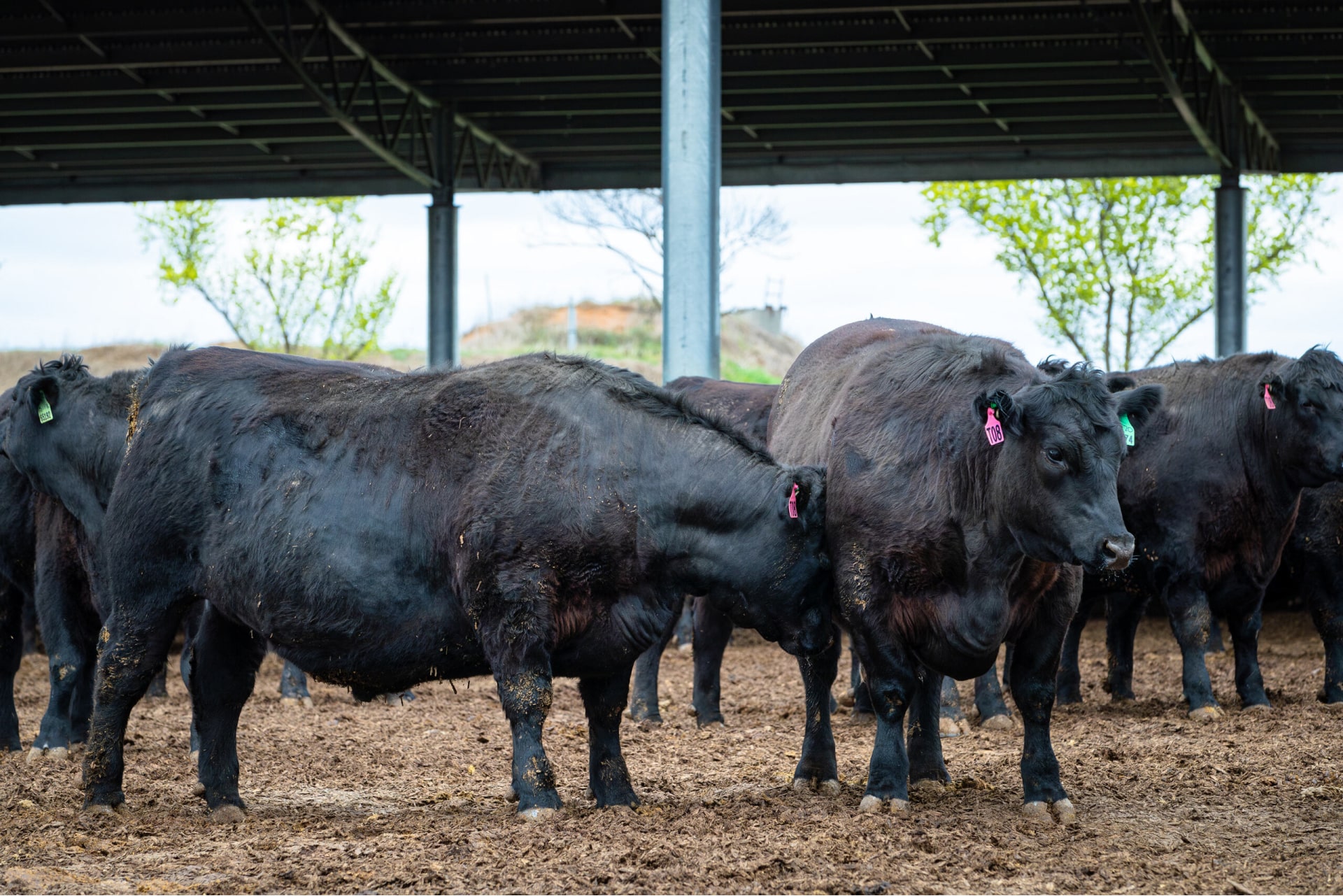
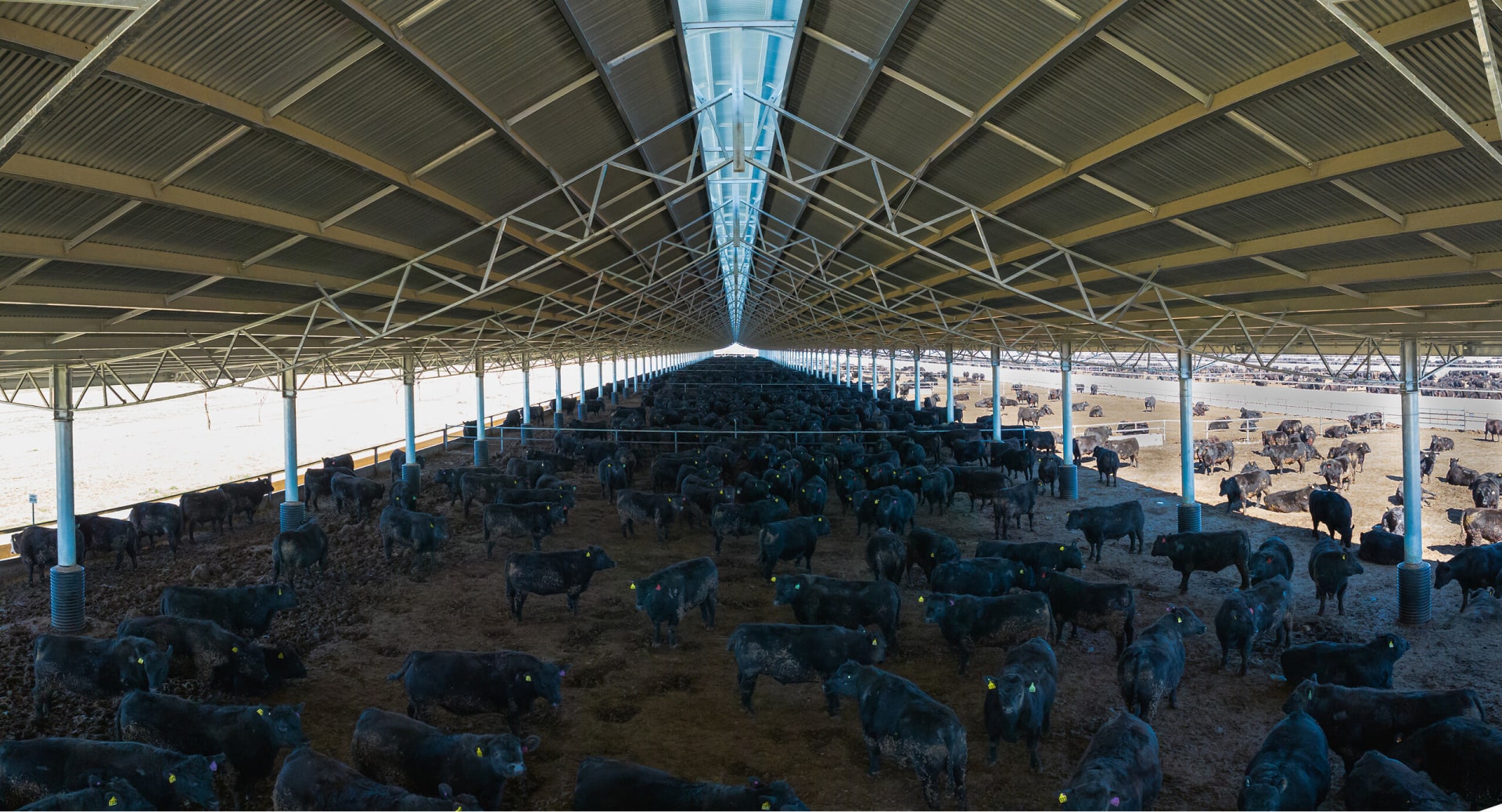
Bovine Dynamics’ Dr Melissa George presented the research, conducted at Rangers Valley Feedlot in northern NSW, that studied a total 5178 steers in bedded and earthen pens partially covered by a Ridgeback® and compared them with uncovered, bedded pens.
“To start with, cattle under partially covered housing with bedding had increased feed intake, we had a 0.45kg of dry matter intake per head per day increase for cattle under the shed compared to cattle outside with bedding,” she told the webinar.
“They also had a higher average daily gain of 0.09kg a day and a higher exit weight of 11.1kg.”
The partially covered and bedded group also had a 6.3 kg hot standard carcase weight advantage over the outdoor, bedded pens and were 4.2kg HSCW more than the partially covered group without bedding.
Health data showed the importance of bedding.
“There were significantly higher culls in the sheds (that were) non-bedded compared to the other two treatments,” Dr George said.
“Over two times the number of culls in the shed non-bedded (treatment) compared to others.”
This rise in culls in the group that didn’t have bedding was driven by musculoskeletal issues such as structural incorrectness and abscesses.
The same trend was evident for morbidity.
Bedding is beneficial to musculoskeletal health, Dr George said.
Those with bedding and partial-covering had the highest exit percentage at 98.26 per cent, followed by the group outside with bedding at 96.26 per cent and then the partial-covered group without bedding at 96.23 per cent.
Dr George also told the webinar that research uncovered a difference in average daily gains and feed intake between groups in the study during summer and winter months.
The webinar concentrated on performance, health and carcase results, with Dr George promising a full presentation of the research report – including information about dag score, water intake, washing duration, manure analysis, environmental data and a cost-benefit analysis – at the ALFA BeefEx conference in October.

Learn more about BeefEx

Some of the details:

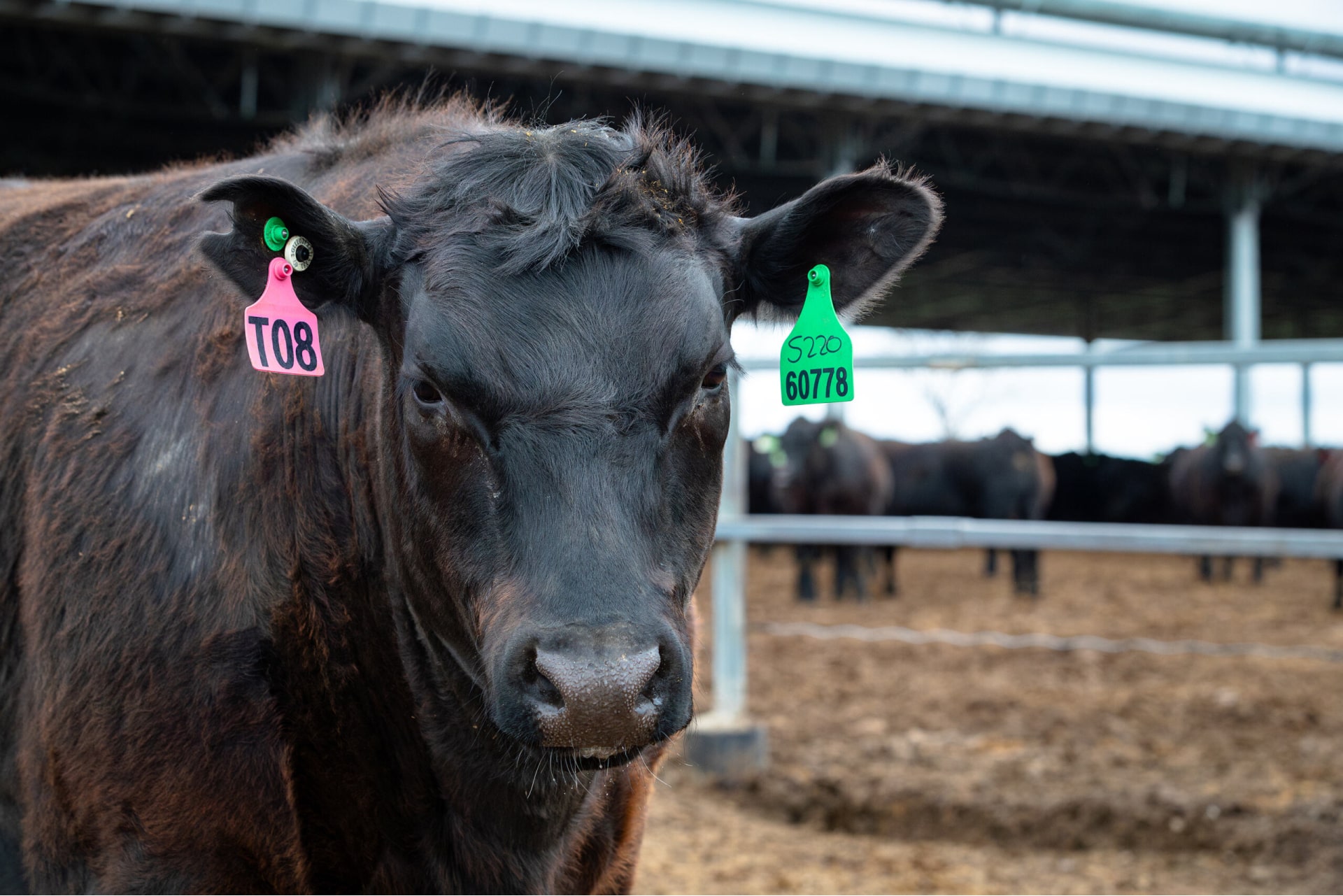
  • 5178 black Angus steers were enrolled in the trial, split across 24 pens.
  • There were eight “replicates” of pens throughout the trial with cattle entering the research during both summer and winter.
  • Each pen housed about 220 steers.
  • Steers were HGP free
  • Steers entered the feedlot at 465kg and spent 180 days at the feedlot before they started in the randomised trial.
  • They spent 110 days – of their total 270 days on feed – in the trial.
  • Pens with bedding had wood chips to a depth of 150mm.


Check out Rangers Valley https://theridgeback.com.au/blog/projects/choice-underpins-cattle-comfort-at-rangers-valley/

Top tips for an economic assessment of shade and shelter

Cost-benefit analysis is a process used to measure the benefits of a decision, minus the costs associated with taking that action.
MLA’s Dr Joe McMeniman told the ALFA webinar that a cost-benefit analysis was useful for those considering investing in feedlot covered housing systems and shared some economic considerations.
Here are some of his top tips.

  • When it comes to partial or fully covered housing it’s vital to compare what you are currently doing, for example operating uncovered feedlot pens, over the expected life of the proposed asset.
  • A key part of doing this is projecting cash flow over the life of the asset. To do this, first look at the capital acquisition costs, for example how long will it take to build? Then, for each expected cash flow period, predict the forecast costs and benefits, that’s how you compute the net cash flow.
  • A feedlot cash flow period generally revolves around a feeding cycle.
  • Net cash flow can be used to project the payback – how long takes to payback the asset based on net cash flow.
  • Net present value is a better way to calculate the current value of a future stream of payments from an investment.
  • Seek professional assistance to conduct cost-benefit analysis.
  • Consider bedding costs – bedding rate, landed bedding cost, days between bedding, application time – labour and machinery fuel and maintenance.
  • Don’t forget pen cleaning – cleaning frequency, cleaning the apron versus the whole pen, quantity and size of load outs, clearing time – labour and machinery fuel and repairs and maintenance.
  • Factor-in any shelter decommissioning costs and salvage value.
  • What are the cattle performance and feed waste benefits at your feedlot? With your system? Cattle?
  • Investigate your own environment when gauging your performance results – will you get your projected response year-round, or is it just seasonal?
  • Can you maximise the value of your manure? Without effluent run-off from a pen – thanks to the addition of a shelter – manure is typically higher in nitrogen, phosphorus and potassium. Is this something you can use? Sell?

Will we see you at Protein Conference 2024?

The beef, pork, poultry and grain industries will gather at Dalby QLD on June 19-20 to explore the future of protein production.
Sustainable governance, biosecurity and food security are just some of the topics that will be covered by expert presenters.
Entegra will be at Protein 2024 – visit the team at booth ……(number in here)

Learn more about Protein 2024

See Other Blog Posts

BeefEx Wrap

Building a Ridgeback®: The benefits outweigh the cost. The results of the Rangers Valley trial, where partially covered housing in the final 100 days boosted cattle performance – as presented by Dr Melissa George at BeefEx’s R&D session.

Read More ->

Beef Ex Bites

ONE global food integrity expert has praised Australia’s feedlot quality assurance program, crediting it for market access benefits and assisting the entire global beef industry’s social licence.

Read More ->

Contact Us Now