BeefEx Wrap
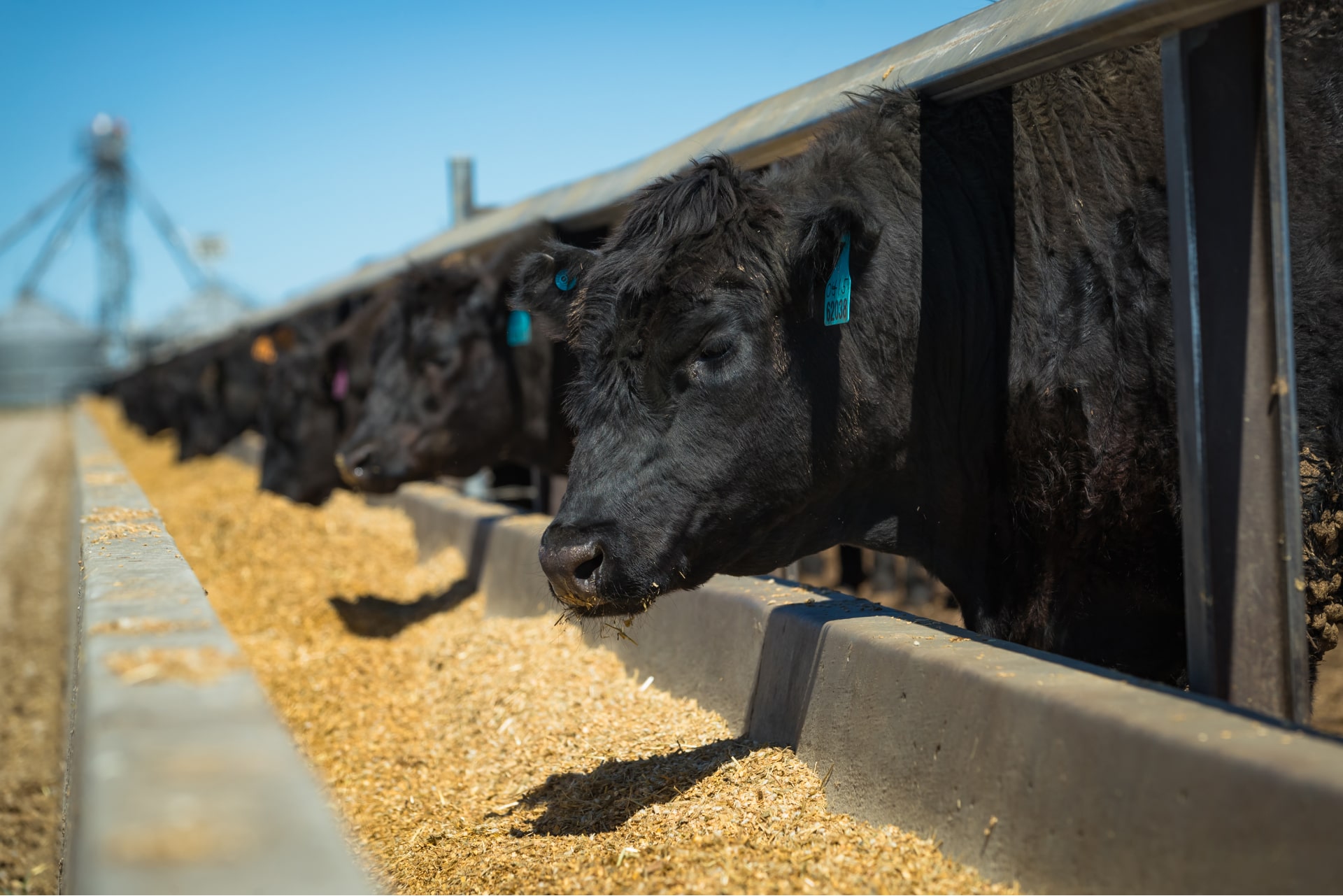
Building a Ridgeback®: The benefits outweigh the cost. The results of the Rangers Valley trial, where partially covered housing in the final 100 days boosted cattle performance – as presented by Dr Melissa George at BeefEx’s R&D session.
INCREASING stocking rates is the best way for livestock operations to capitalise on the productivity and gross margin benefits from reducing soil acidity through liming.
But each producer must approach liming differently – with a strategy that suits their soil test results, cash-flow, debt, paddock renovation schedule and other key business metrics.
That was the message from Dr Jason Condon from Charles Sturt University who presented at a Meat and Livestock Australia Productivity and Profitability webinar in April 2024.
The Soil Science Associate Professor told the webinar that “agriculture is an acidifying business” as the act of farming – producing livestock, wool, hay, grain or any product – involved removing an alkalised source from paddocks and acidifying the soil.
While the rate of soil acidification varies between regions, soil types and farming enterprises, Dr Condon stressed that liming paddocks was the only way to truly “fix” acidic soils.
Referring to various trials in the cropping and livestock sectors, Dr Condon said there was a “system benefit” to removing soil acidity and this included production gains as well as savings that come from having “functional legumes” in the system with fixed nitrogen.
However – for those livestock producers who have invested in liming – they must be prepared to increase their stocking density to capitalise on gains.
Dr Condon said perennial trials showed improving acidic soils could provide an increase of 3.8 dry sheep equivalent (DSE) – representing a 25 per cent increase in carrying capacity – with the addition of legumes and super, further boosting this figure.
The gross margin achieved from reducing soil acidity is dependent on commodity prices, but increasing stocking density was the best way to maximise productivity, Dr Condon explained.
For those wanting to investigate the acidity of their soil, he recommended farmers “know their current situation” by soil testing, looking at soil composition, examining the roots of plants and nodules of legumes.
The best way to soil test was in increments of 5cm up to a depth of 20cm – to provide the “trend in pH”.
Dr Condon said “there is no one right time or situation” to address soil acidity with liming, he encouraged farmers to have a strategy and understand their pH levels up to 20cm.
Sowing a new paddock was a good opportunity to lime – to incorporate it at depth – and while “doing nothing is not an option on acidic soils” he said everyone’s strategy would be different.

Building a Ridgeback®: The benefits outweigh the cost. The results of the Rangers Valley trial, where partially covered housing in the final 100 days boosted cattle performance – as presented by Dr Melissa George at BeefEx’s R&D session.

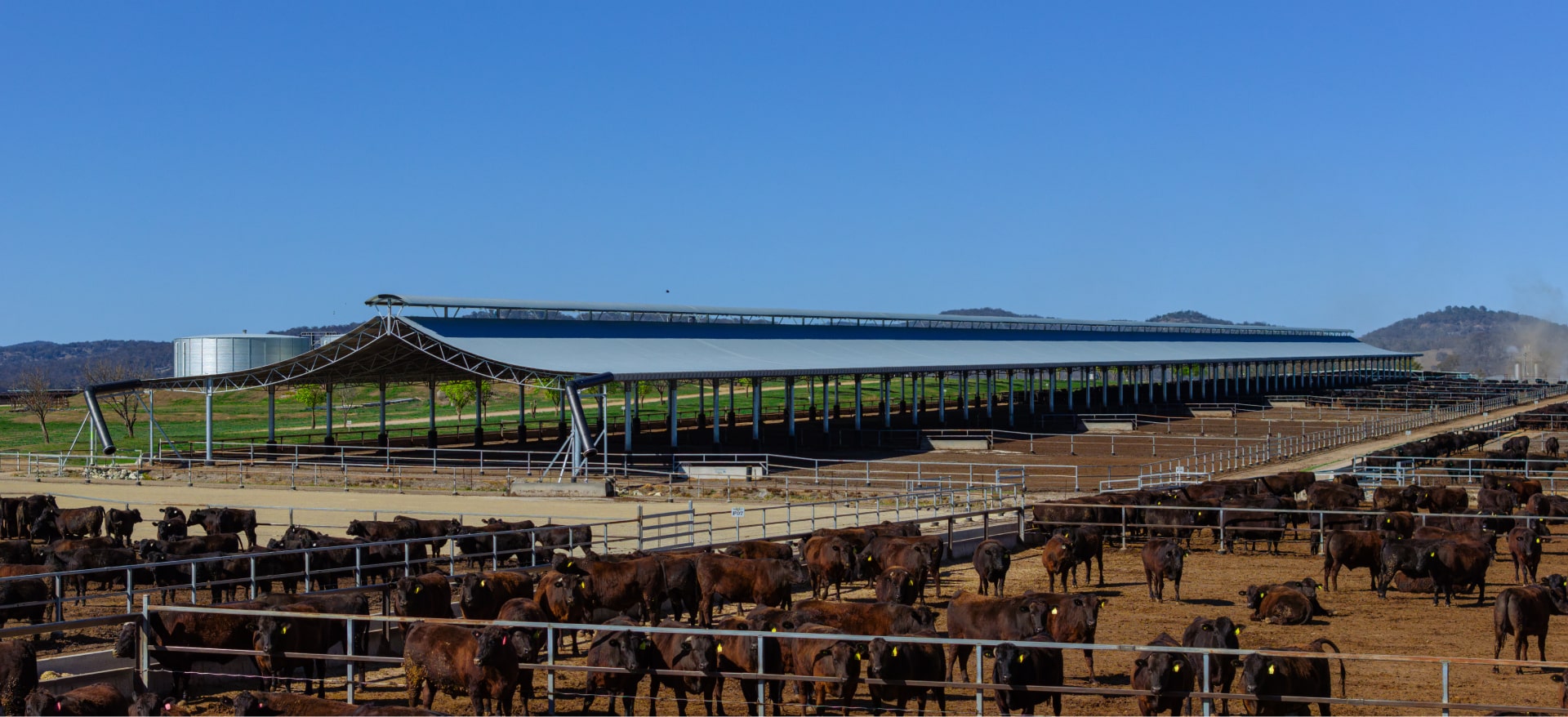
ONE global food integrity expert has praised Australia’s feedlot quality assurance program, crediting it for market access benefits and assisting the entire global beef industry’s social licence.