BeefEx Wrap
Building a Ridgeback®: The benefits outweigh the cost. The results of the Rangers Valley trial, where partially covered housing in the final 100 days boosted cattle performance – as presented by Dr Melissa George at BeefEx’s R&D session.
What does climate action look like for dairy?
Is it storing feed? Preparing for extreme wet and hot conditions? Or navigating feed gaps at unusual times of the year?
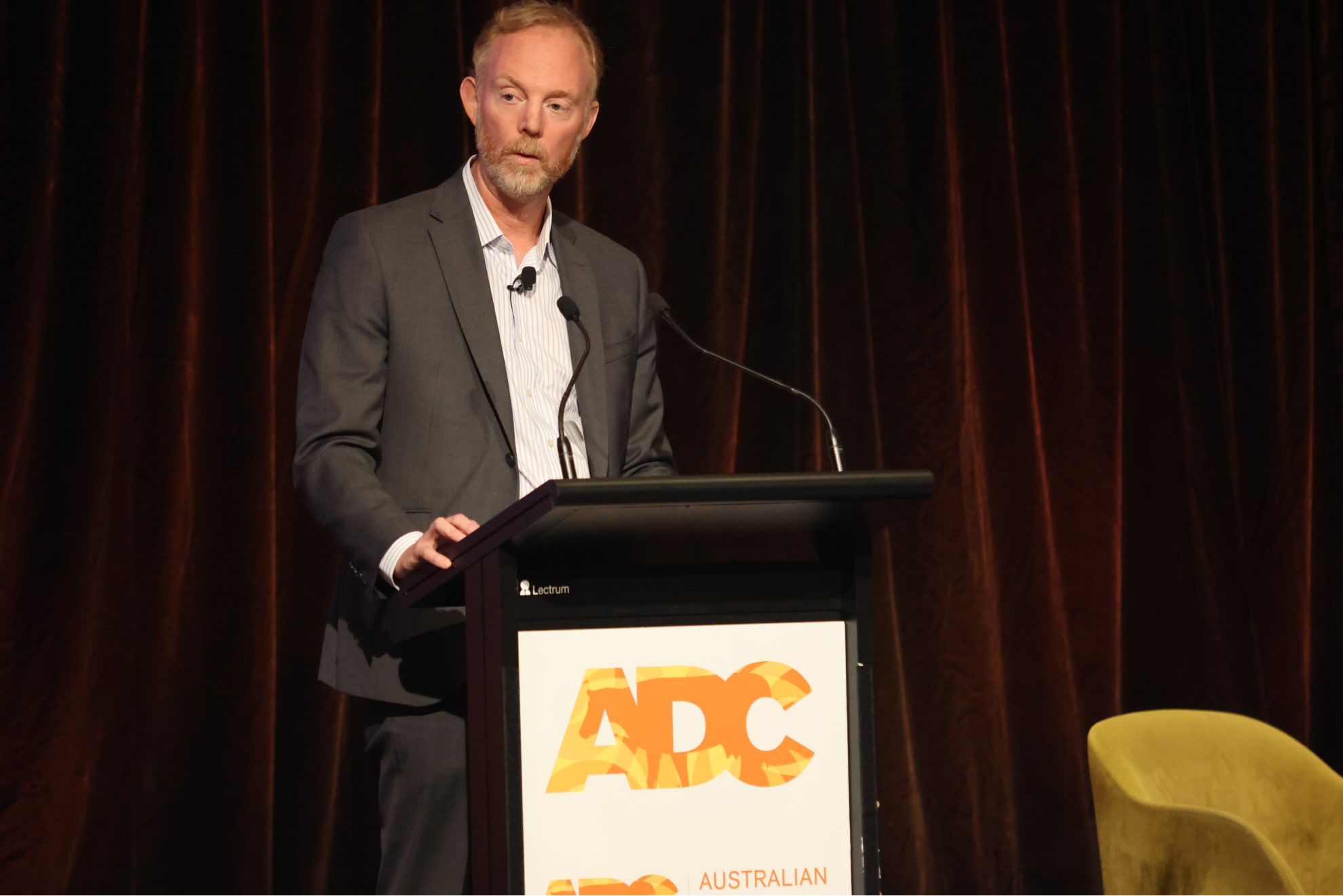
According to Dairy Australia Managing Director David Nation – it’s all of this. And more.
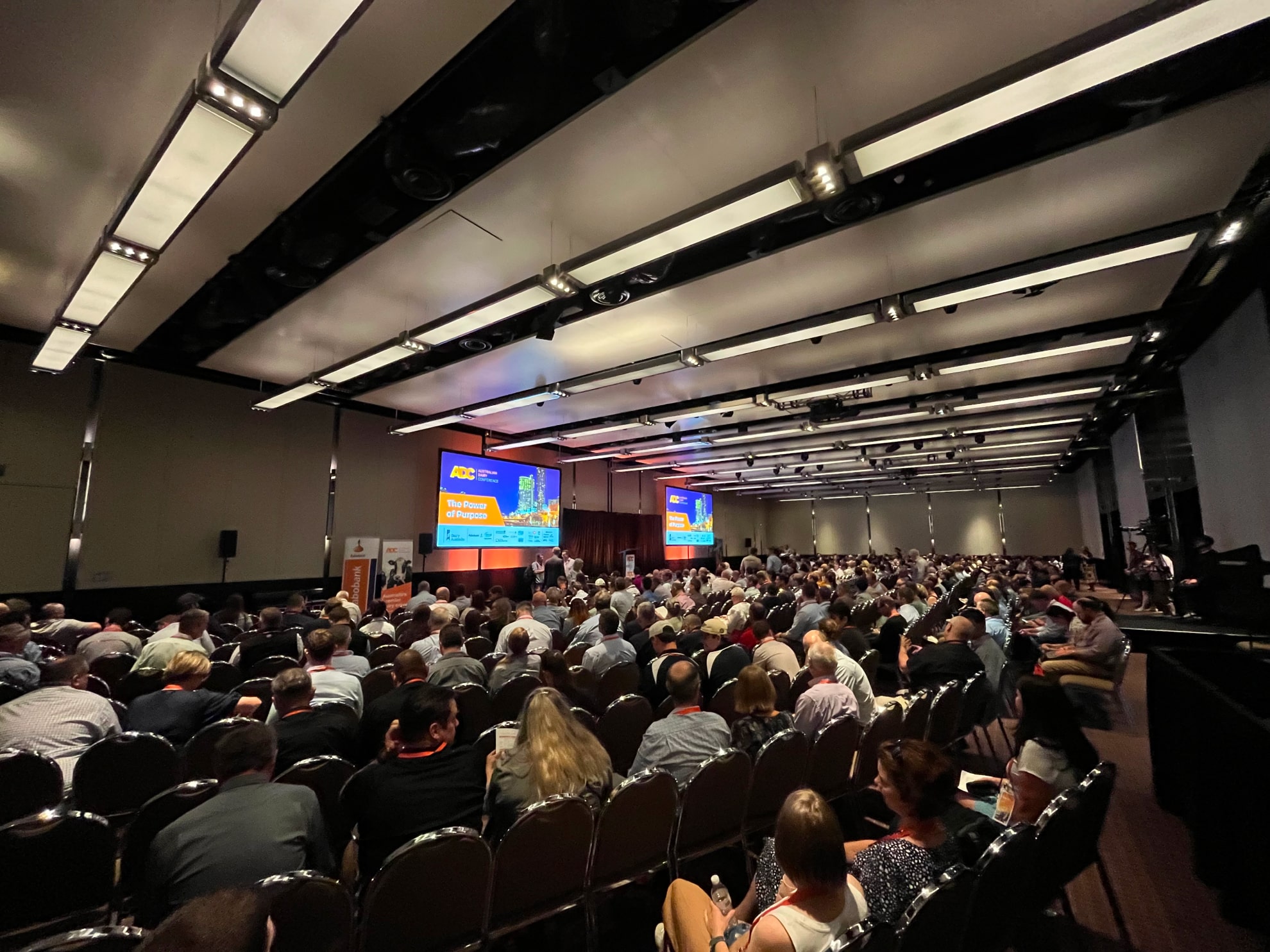
He told the 700 delegates at the Australian Dairy Conference in Melbourne recently that the only climate certainty is that it will “challenge us”.
“When all the talk about carbon dies down, we will still need to talk about how much the climate is, and will, challenge us,” he said.
“I think many people already sense this.”
Dr Nation told the conference that the climate challenge couldn’t be understated and there were many ways in which it was affecting on-farm productivity.
“One example is that we know heat stress is a bigger issue than we previously thought in terms of its impact on performance,” he said.
“That’s true in all regions, even in Tassie.”
He encouraged dairy farmers to plan for a “range” of climate scenarios and use climate drivers to underpin “practical” decisions on farms and within dairy businesses.
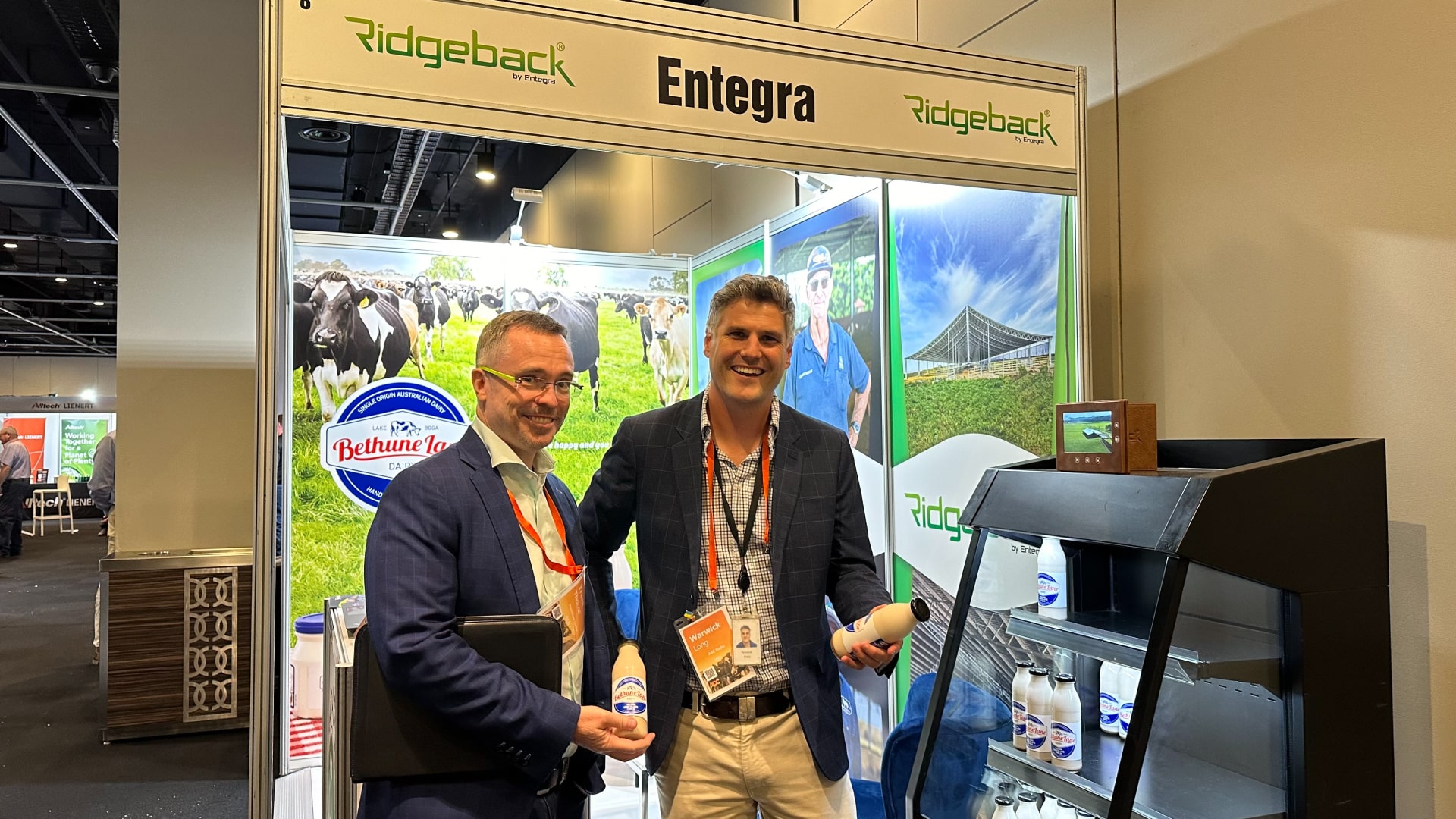
Outside the conference, Entegra Director Charles McCalman said climate was a huge driver for on-farm infrastructure development and investment.
“It doesn’t matter if it’s wet weather – and dairy farmers trying to limit paddock pugging – or hot and dry conditions,” he said.
“Farmers view infrastructure, and Entegra’s Ridgeback™ in particular, as a way to deliver an additional level of influence over their farming business.”
While it’s impossible to “control” the weather, Charles said Entegra clients use infrastructure to reduce the risk of extreme weather.
For example, housing dairy cows reduces the impact of heat stress, with cows maintaining their “normal” feed intake and production rather than dropping milk due to hot conditions.
When it comes to wet weather, shelter protects animals from health issues associated with wet or damp ground and also assists production because cows don’t need to use as much energy to keep warm.
Maintaining production in the face of adverse weather is now possible for dairy businesses with shelter and this helps productivity and profitability, Mr McCalman said.
The size of Australia’s milk pool – about 8.1 billion litres a year in 2022-23- the lowest level since the 1990s, and the need for farmers to feed the world were topics explored in various sessions throughout the Australian Dairy Conference.
In addition to talking about the challenge of climate, Dr Nation also spoke about the importance of community and consumer trust in dairy, the need for development and adoption of new technology to drive productivity, the importance of biosecurity and the role of governments in influencing global dairy trade.
He stressed the Australian dairy industry and its farmers must “stay ahead of the curve” especially when it came to carbon emissions.
“(Be) ahead of this change by knowing your own carbon number and knowing what action you might take,” he said.
“Especially actions that make you money as well as reduce carbon emissions.”

Building a Ridgeback®: The benefits outweigh the cost. The results of the Rangers Valley trial, where partially covered housing in the final 100 days boosted cattle performance – as presented by Dr Melissa George at BeefEx’s R&D session.

ONE global food integrity expert has praised Australia’s feedlot quality assurance program, crediting it for market access benefits and assisting the entire global beef industry’s social licence.