BeefEx Wrap
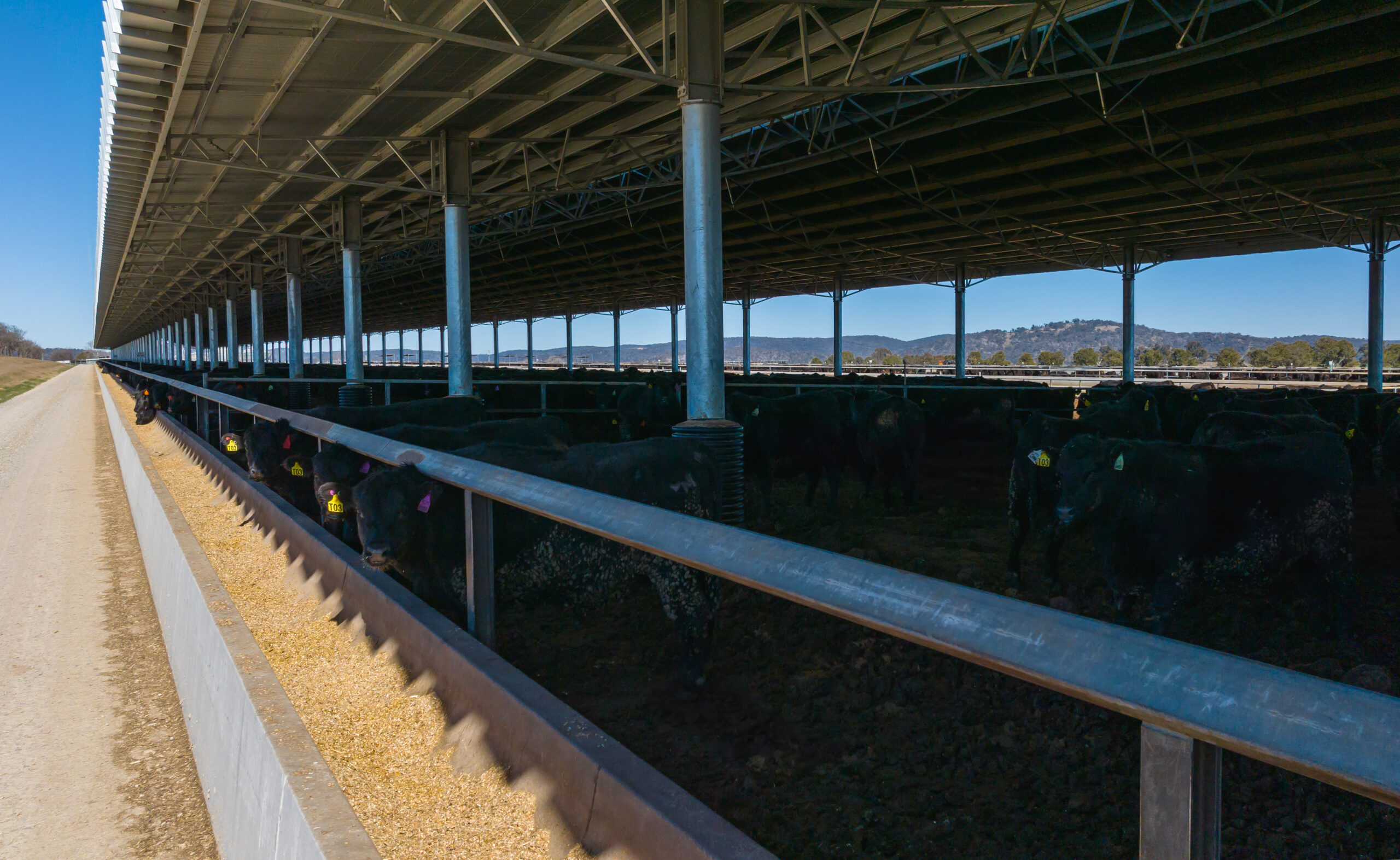
Building a Ridgeback®: The benefits outweigh the cost. The results of the Rangers Valley trial, where partially covered housing in the final 100 days boosted cattle performance – as presented by Dr Melissa George at BeefEx’s R&D session.
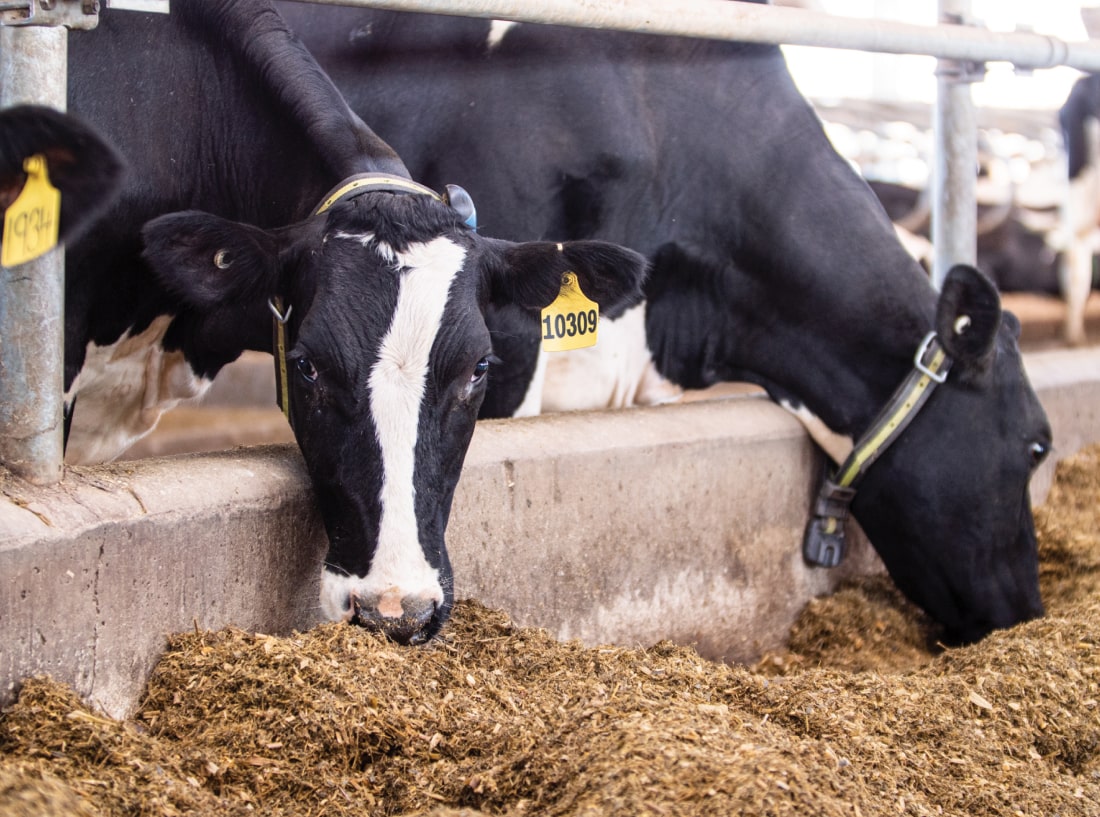
CONTAINMENT feeding can have a role on most farms, but producers should carefully weigh-up their costs this season because of high commodity prices and lower stock values.
That was one of the messages from Animal Health and Nutrition Consulting Founder Dr Jillian Kelly at a recent Containment Feeding Livestock webinar – part of the Meat and Livestock Australia Productivity and Profitability series.
Dr Kelly said there were many reasons why producers would choose to containment or confinement feed sheep or cattle, including reducing grazing pressure, conserving topsoil and groundcover, reducing feed requirements – because animals aren’t moving around – and maintaining good animal health and welfare.
Containment or confinement feeding has traditionally been used as a drought management tool or in times of fires, floods or disease outbreak.
There are a range of confinement feeding systems used including the self feeder system – the most common type – because its low cost and can be packed away at the end of a drought.
A downside of this system is that it’s difficult to understand “who eats what”.
Other systems include the “grain trail” – ensuring feed is kept off the ground in a containment feeding environment – and automated feeding systems.
Dr Kelly said many of her clients in the Coonamble region of central west NSW were using a total mix ration – incorporating homegrown silage with other feed commodities – to decrease the risk of acidosis and create lower cost drought rations.
Other tips from the webinar included livestock management and induction suggestions.
Dr Kelly said to vaccinate animals before feeding, imprint at foot – for example ewes teaching their lambs how to feed – draft groups on bodyweight and redraft every month as well as remove shy feeders and place them in their own group.
She said the first 14 days of induction was the most important to ensure the success of the confinement feeding and examining animal’s faeces was a good way to understand if they were adjusting to the new feeding regime.
Attendees were advised to consult with a professional when it came to livestock nutrition, while stocking density varies from state-to-state.
For more information: https://www.mla.com.au/extension-training-and-tools/productivity-and-profitability-series/

Building a Ridgeback®: The benefits outweigh the cost. The results of the Rangers Valley trial, where partially covered housing in the final 100 days boosted cattle performance – as presented by Dr Melissa George at BeefEx’s R&D session.

ONE global food integrity expert has praised Australia’s feedlot quality assurance program, crediting it for market access benefits and assisting the entire global beef industry’s social licence.