Top end experience shared with ALFA webinar

Key Points

A Northern Territory facility built by Entegra featured in a feedlot industry webinar recently, exploring the benefits of providing shade and shelter for cattle. 

The Australian Lot Feeders’ Association webinar also included preliminary research from the University of New England which highlighted the economic and welfare gains from providing feedlot cattle with waterproof protection as well as tips from dairy industry experts sharing their experience of housed farming. 

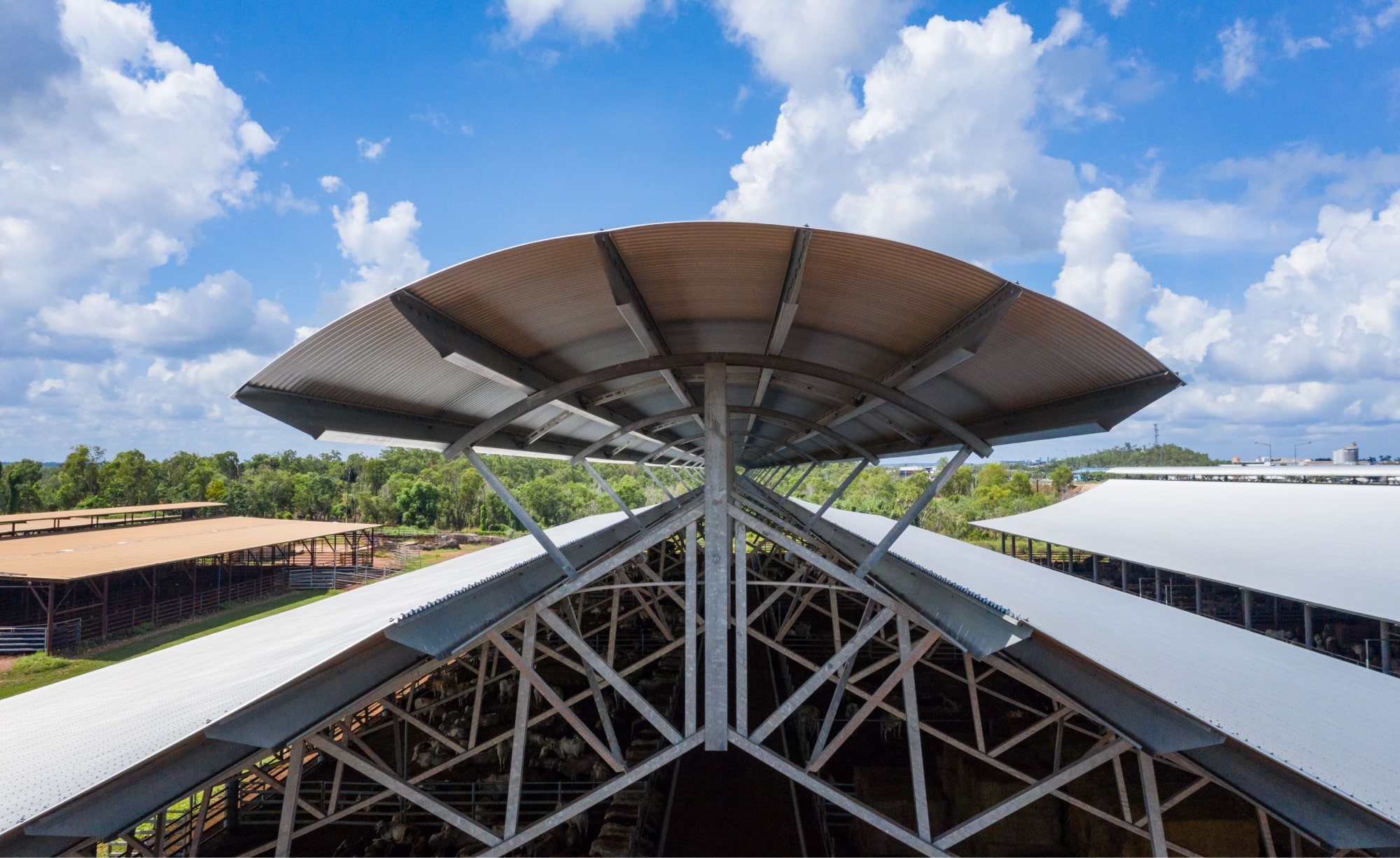
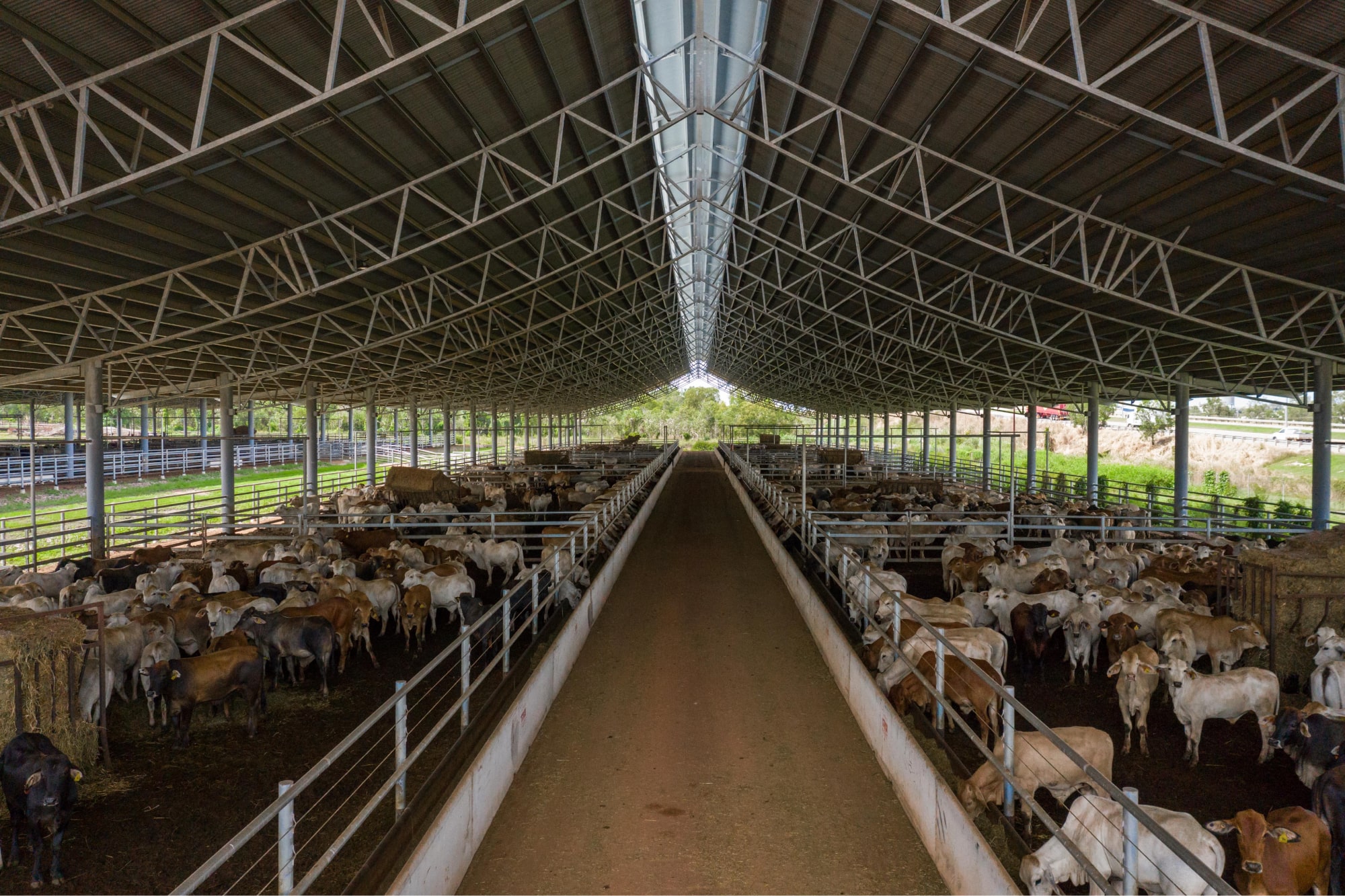
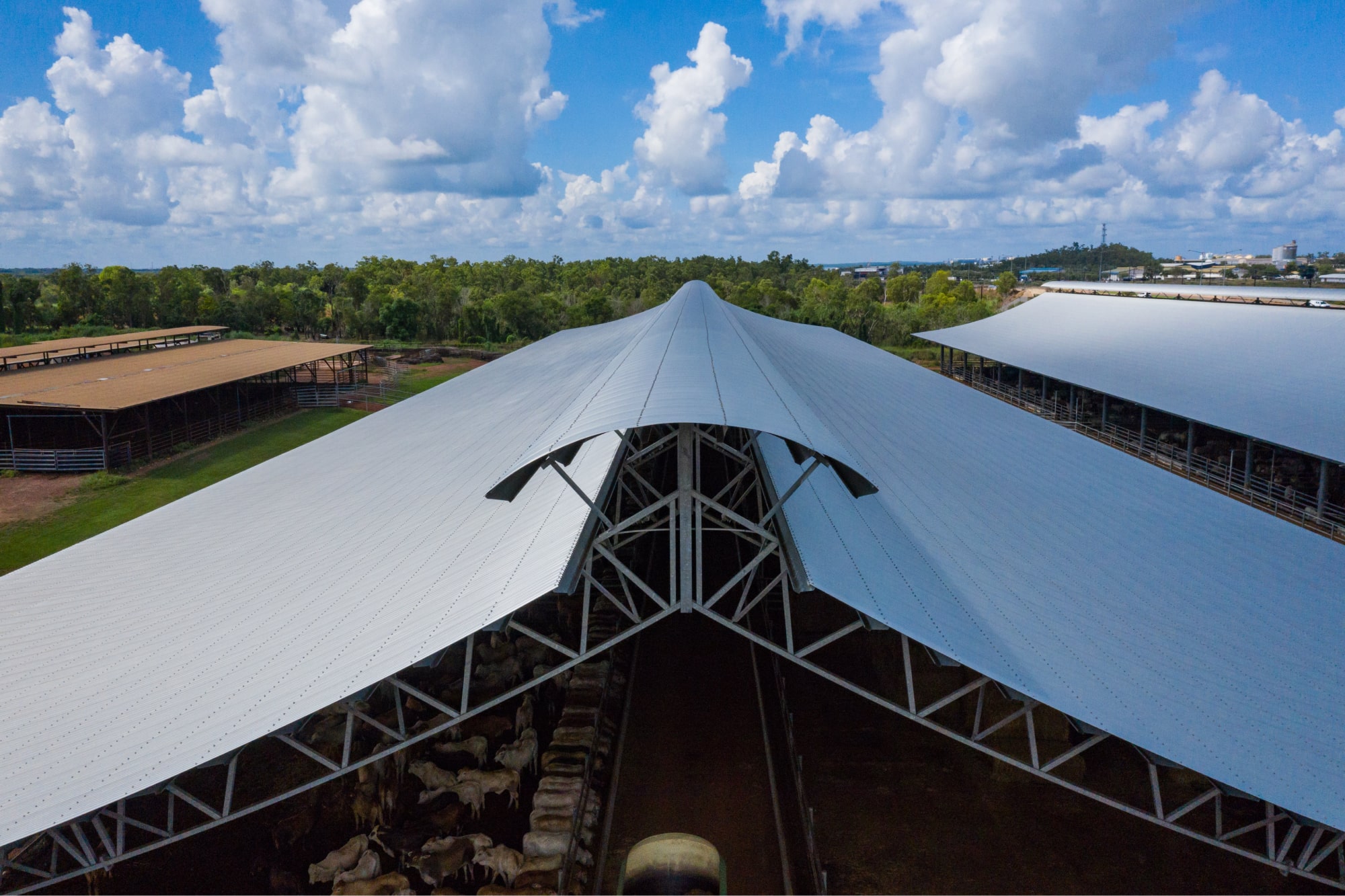
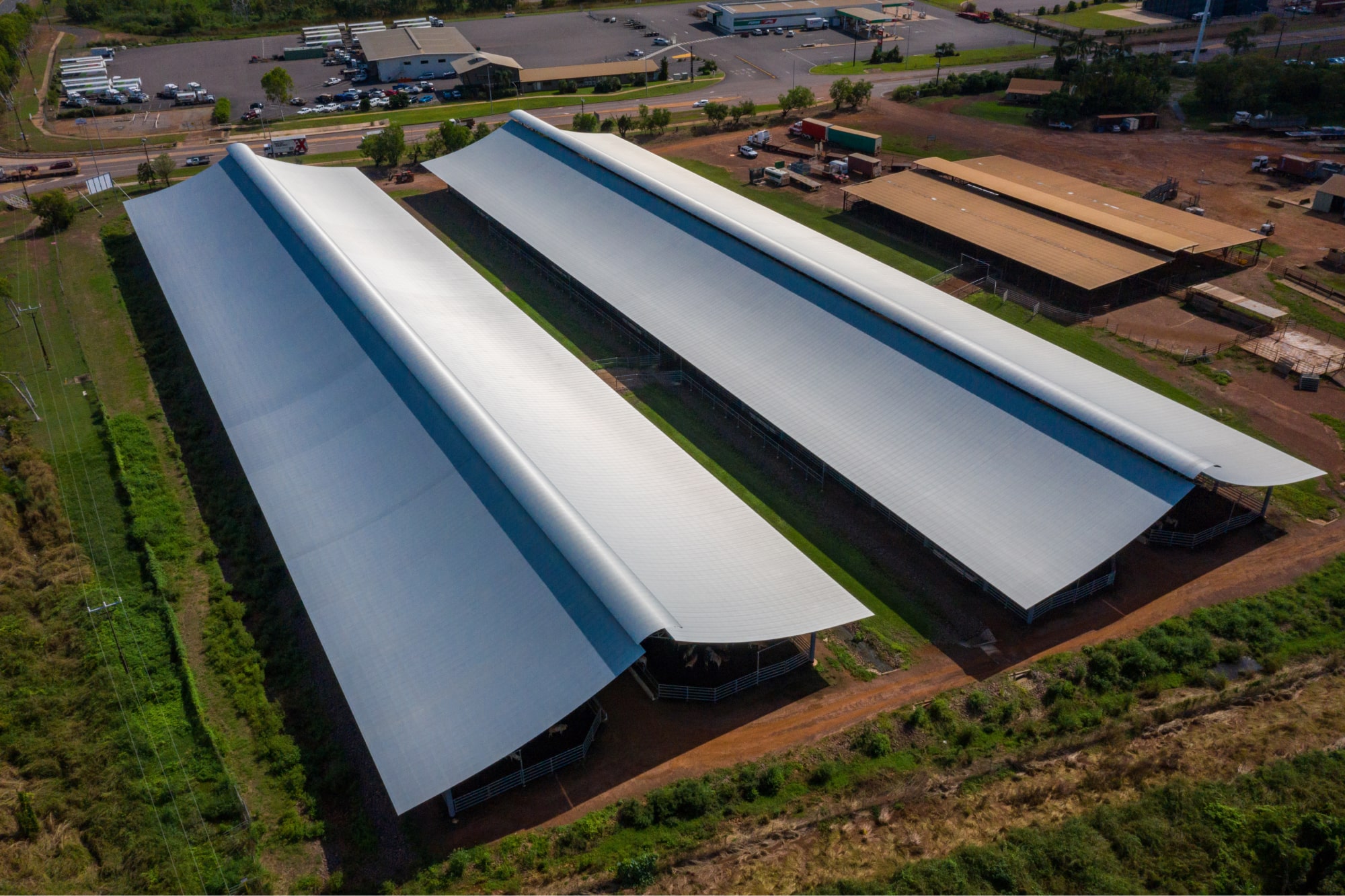
Up to 60,000 cattle a year are protected from rain and heat thanks to an Entegra Ridgeback shed at the Berrimah export yards near Darwin in the Northern Territory. 

The Berrimah export yards is a pre-export quarantine facility, owned by the Northern Territory Livestock Exporters Association, where cattle are housed for at least two days before export. 

Yard manager Ben Giblett told the ALFA webinar shade and shelter from Entegra’s Ridgeback shed has been great for animal health.  

“We don’t see as many respiratory issues or lameness,” he said. 

“Especially with the wet season, there are a lot of cattle moving through wet yards on properties, coming onto road trains through yards and then ending up here so you do tend to get a lot of soft-footed cattle.  

“Even though Brahman-types are quite hardy – moving a lot of cattle off floodplains at that time of year – you do tend to get a lot of soft feet. Just having them on that nice, clean, soft pad under shade and out of the weather, it exceeds everything we are trying to achieve in terms of preparing them for the journey ahead.” 

This pre-export quarantine facility supplies 15-20 per cent of the 400,000 live cattle shipped from Darwin each year. It’s the only facility of its kind in that region with a purpose-made shed. 

Cattle spend an average of five days at the Berrimah export yards, as a transition, with the purpose of preparing them for six-to-eight days at sea aboard a livestock vessel. 

This preparation includes altering their diet so at least 80-100 per cent of their intake is a pellet fed on the boat and supplemented by hay for fibre. It also includes getting them to eat out of a feed bunk, preparing them to be near people and drafting them into specific shipping lines. Such as age, weight, sex, or horn length. 

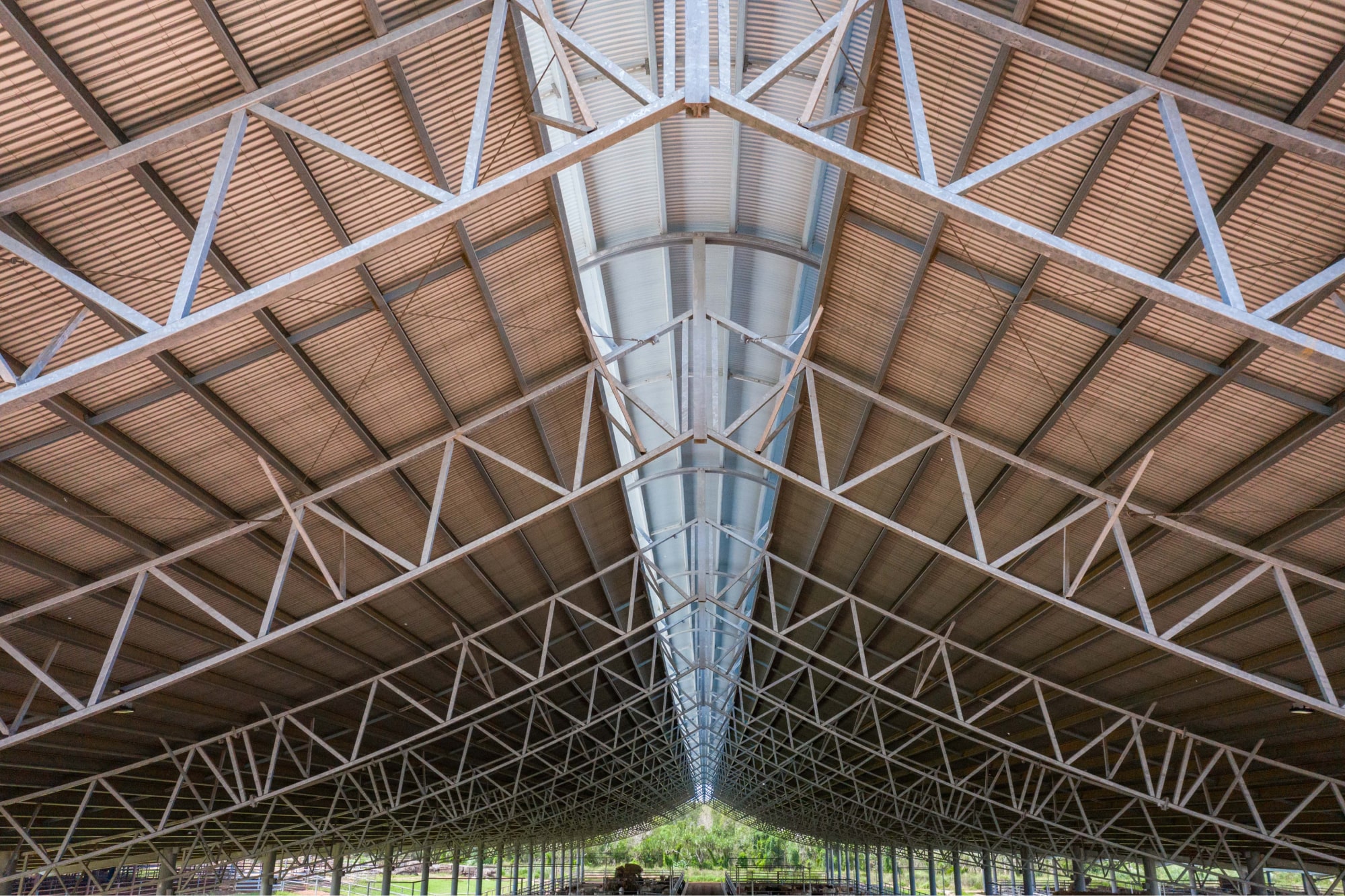
Mr Giblett said the shed ensured cattle routines were never disrupted by weather, with the gradient and range of the shed roof acting as an “exhaust” on hot days and protection from rain. 

In addition, feed never gets wet – so wastage is limited – pens can be cleaned in any conditions and LED lights ensure safe feeding, cattle processing, loading, and receiving at any time.  

“We can receive cattle drop of a hat,” Mr Giblett said. “When trucking cattle from as far as Queensland, Alice (Springs) and Western Australia … a load can arrive when they arrive… it’s the same with a vessel, a vessel could arrive in the morning or night or two in the morning. When it’s ready to go we have to be ready.” 

Break out box. 

Keeping cattle cool and dry 

Berrimah Ridgeback details 

– 46 metres wide. 

– Roof ranges from 6 metres high to 13.5m at the top of the apex. 

– Concave curved roof for self-ventilation. 

– Design increases “air exchanges” by at least 20 per cent per hour. 

See Other Blog Posts

BeefEx Wrap

Building a Ridgeback®: The benefits outweigh the cost. The results of the Rangers Valley trial, where partially covered housing in the final 100 days boosted cattle performance – as presented by Dr Melissa George at BeefEx’s R&D session.

Read More ->

Beef Ex Bites

ONE global food integrity expert has praised Australia’s feedlot quality assurance program, crediting it for market access benefits and assisting the entire global beef industry’s social licence.

Read More ->

Contact Us Now